The global apparel landscape has shifted dramatically over the last few years, with one segment firmly establishing its dominance: loungewear. No longer reserved solely for the comfort of one’s home, modern loungewear blends style, functionality, and supreme comfort, making it a staple in wardrobes worldwide. For fashion entrepreneurs and established clothing brands alike, tapping into this lucrative market offers immense potential.
However, transitioning a beautiful design from a sketch into a retail-ready garment requires a critical partner: a reliable loungewear manufacturer. Choosing the right manufacturing partner can mean the difference between a thriving, high-margin clothing line and a logistical nightmare.
If you are looking to launch or scale your clothing line, here is a comprehensive guide on how to evaluate and choose the perfect loungewear production partner.
1. Understand Your Brand’s Specific Production Needs
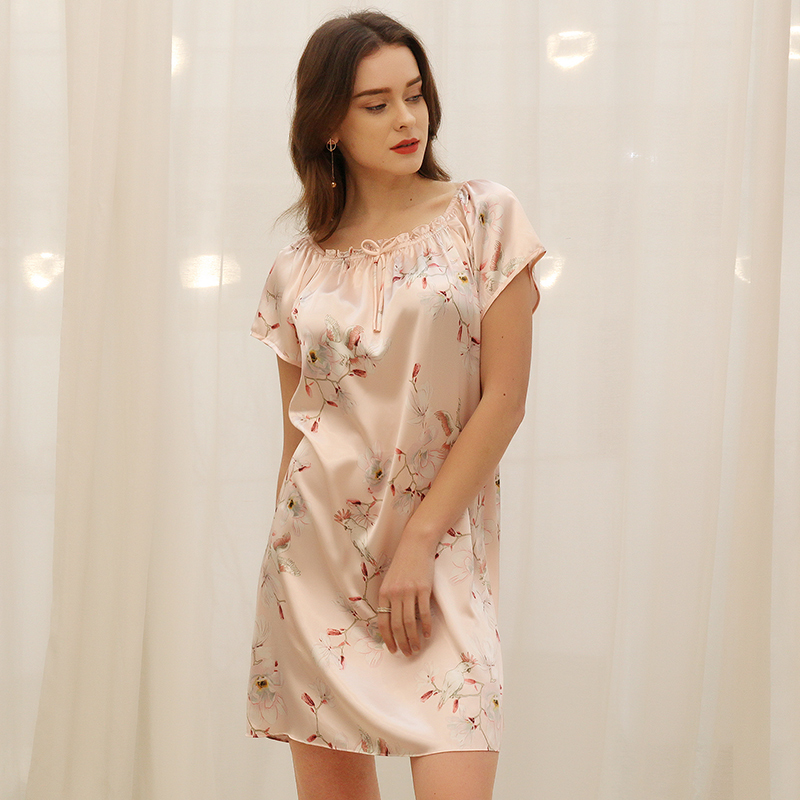
Before you begin reaching out to apparel factories, you must have a clear understanding of your own project requirements. Loungewear spans a wide range of styles, from high-end silk robes and organic bamboo pajamas to heavy-weight fleece hoodies and ribbed knit joggers.
- Fabric Specialization: Not all clothing factories handle all fabrics equally. Knit fabrics, which form the backbone of most loungewear lines, require specialized sewing machines (like overlock and flatlock machines) and skilled labor. Ensure the manufacturer you choose specializes in knitwear and stretch fabrics.
- Minimum Order Quantities (MOQs): Startups often need low MOQs to test the market, while established brands look for high-volume factories to lower per-unit costs. Always clarify a manufacturer’s MOQ per style, per color, and per size upfront.
2. Evaluate Fabric Sourcing and Material Quality
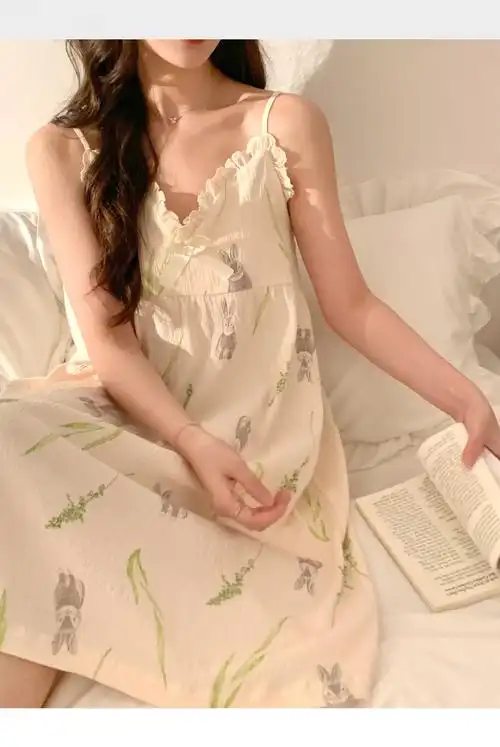
In the loungewear industry, fabric is everything. Consumers choose loungewear primarily for how it feels against their skin. Therefore, your manufacturer’s ability to source premium, durable, and comfortable materials is paramount.
When vetting potential custom loungewear manufacturers, ask the following fabric-related questions:
- Do they have a diverse catalog of existing fabrics (like French terry, modal, bamboo viscose, and organic cotton)?
- Can they custom-dye fabrics to match your specific Pantone color codes?
- Do they offer sustainable and eco-friendly fabric options? Today’s consumers are increasingly eco-conscious, and offering sustainable loungewear can give your brand a major competitive edge.
3. Assess the Sampling and Prototyping Process
Never commit to a full production run without evaluating physical samples first. The sampling stage is where you test a manufacturer’s craftsmanship, attention to detail, and sizing accuracy.
A reputable clothing manufacturer will guide you through a structured sampling process:
- Proto Sample / Fit Sample: Created to check the overall fit, drape, and silhouette using available fabric.
- Pre-Production (PP) Sample: The final sample made with the exact fabric, trims, labels, and colors that will be used in bulk production.
Pay close attention to the turn-around time for samples and how receptive the factory is to feedback and revisions. Poor communication during the sampling phase is a major red flag for bulk production.
4. Domestic vs. Overseas Loungewear Manufacturing
One of the biggest decisions you will face is whether to source your production domestically or look overseas (e.g., to manufacturing hubs in Asia or Europe). Both options carry distinct advantages and trade-offs.
| Factor | Domestic Manufacturers | Overseas Manufacturers |
| Shipping Times | Fast and cost-effective | Longer transit times (ocean/air freight) |
| Production Costs | Higher labor costs per unit | Highly cost-effective for bulk orders |
| Communication | Easier alignment on time zones & language | Potential time zone and language barriers |
| MOQs | Often lower and more flexible | Typically higher to justify international shipping |
Choose the option that best aligns with your brand’s budget, timeline, and ethical positioning.
5. Prioritize Ethical Practices and Quality Control
Transparency in supply chains is no longer optional. Modern consumers want to know who made their clothes and under what conditions. Partnering with an ethical garment factory protects your brand reputation and ensures high-quality output.
Look for manufacturers that hold internationally recognized certifications, such as:
- GOTS (Global Organic Textile Standard) for organic fibers.
- OEKO-TEX Standard 100 ensuring fabrics are free from harmful chemicals.
- WRAP (Worldwide Responsible Accredited Production) or BSCI compliance for ethical labor standards.
Additionally, inquire about their internal quality control (QC) processes. Do they inspect garments inline during production, or only at the very end? A robust QC system minimizes the risk of defective items reaching your customers.
Conclusion: Partner for Long-Term Success
Finding the right loungewear manufacturer is not just a transactional business deal; it is a long-term partnership. The right factory will grow with your business, offer valuable technical design insights, and consistently deliver products that keep your customers coming back for more comfort.
Take your time during the vetting process, communicate your standards clearly, and build a foundation based on mutual trust and transparency.
