A custom silk scarf is more than a fashion accessory. It is a versatile product that combines elegance, creativity, and brand identity in one beautifully designed piece. From luxury fashion collections to boutique retail products and corporate gifts, silk scarves offer businesses an opportunity to create distinctive products that customers can wear, collect, and remember.
As consumers increasingly appreciate personalized fashion and unique accessories, custom silk scarves have become an attractive option for fashion brands, independent designers, retailers, and promotional product businesses. With the right fabric, artwork, colors, and finishing details, a simple scarf can become a recognizable part of a brand’s identity.
Whether you are developing a new accessory collection or expanding an existing product line, understanding the customization process can help you make better decisions about quality, design, and production.
In this guide, we will explore the benefits of custom silk scarves, popular fabric options, printing techniques, design possibilities, and important factors to consider when choosing a manufacturing partner.
Why Choose Custom Silk Scarves for Your Brand?
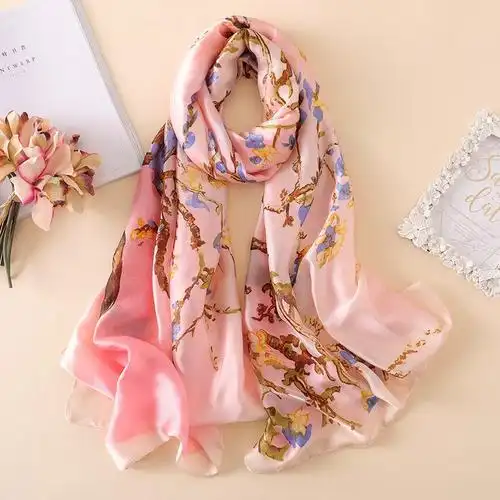
Silk has long been associated with sophistication, comfort, and timeless style. Its smooth texture, natural sheen, and lightweight drape make it an excellent material for premium fashion accessories. When combined with a personalized design, silk becomes an ideal canvas for expressing a brand’s personality.
1. Create a Unique Brand Identity
One of the biggest advantages of custom silk scarves is the freedom to develop exclusive designs. Instead of selling generic accessories, businesses can create products that reflect their own visual identity.
You can incorporate signature colors, original illustrations, geometric patterns, floral artwork, abstract graphics, or subtle logo placements. These design elements help customers recognize your brand and distinguish your products from competing collections.
For emerging fashion labels, a custom silk scarf can also provide an accessible way to introduce a recognizable signature product without launching an extensive clothing range.
2. Offer a Premium Customer Experience
Silk scarves appeal to customers who appreciate both appearance and material quality. Their soft texture, elegant finish, and versatile styling options make them suitable for premium retail collections.
A carefully designed scarf can be worn around the neck, styled in the hair, tied to a handbag, or used as an accent on a hat. This versatility gives customers more opportunities to enjoy the product and increases its perceived value.
For brands positioned in the luxury or contemporary fashion market, thoughtful fabric selection and refined finishing can help create a more memorable purchasing experience.
3. Expand Your Product Collection
Custom printed silk scarves can complement clothing, handbags, jewelry, and other fashion accessories. They also work well as seasonal products, limited-edition releases, artist collaborations, and coordinated gift collections.
Retailers can introduce new patterns and colorways without completely changing their existing product range. Meanwhile, established brands can use scarves to explore new creative directions while maintaining a consistent visual identity.
This flexibility makes personalized silk scarves suitable for businesses at different stages of development.
Choosing the Right Silk Fabric for Custom Scarves
Fabric selection is one of the most important decisions when developing a custom silk scarf. Different silk constructions offer different levels of softness, shine, transparency, structure, and drape. The best option depends on your design concept, target market, and intended use.
Silk Twill
Silk twill features a distinctive diagonal weave that gives the fabric a structured appearance and a refined texture. It is a popular choice for square silk scarves, premium neckwear, and classic fashion accessories.
Its relatively defined surface works well with intricate borders, symmetrical patterns, detailed illustrations, and traditional scarf artwork. Silk twill is particularly suitable for brands looking for a polished appearance that holds its shape when folded or tied.
Silk Satin
Silk satin is known for its smooth surface and luminous finish. It creates an elegant visual effect when the fabric catches the light, making it suitable for sophisticated designs and statement accessories.
This material works well with rich colors, flowing illustrations, and modern fashion patterns. Its soft drape is especially appealing for long scarves and accessories designed to move naturally with the wearer.
Silk Chiffon
Silk chiffon is lightweight, airy, and slightly transparent. It is ideal for delicate designs, layered styling, and scarves intended to create a soft, flowing silhouette.
Brands developing romantic, feminine, or resort-inspired collections may find chiffon particularly attractive. Because of its lightweight construction, the fabric can also create an elegant effect when wrapped or layered over clothing.
Silk Habotai
Silk habotai is a lightweight fabric with a smooth hand feel and fluid drape. It can be suitable for everyday silk accessories, lightweight wraps, and designs where comfort and flexibility are important.
When comparing silk fabrics, consider the composition, fabric weight, weave, and intended application together. Requesting a physical sample before confirming bulk production is a practical way to evaluate the material and ensure it matches your expectations.
Custom Silk Scarf Design: From Artwork to Finished Product
A successful custom silk scarf begins with a clear design direction. Every element, from the overall composition to the smallest decorative detail, contributes to the final appearance.
Develop Original Patterns and Artwork
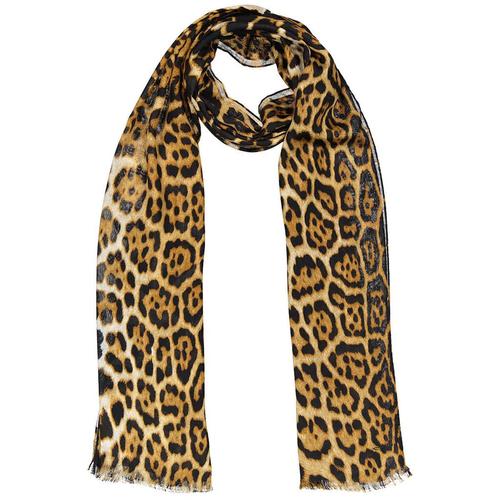
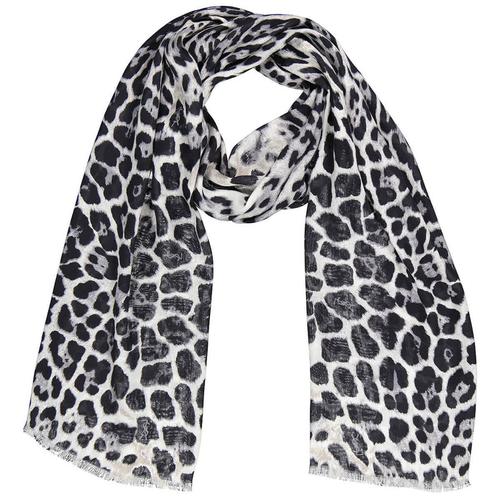
Your artwork is what makes a personalized silk scarf distinctive. Popular design directions include botanical illustrations, vintage-inspired motifs, abstract compositions, artistic landscapes, geometric arrangements, and contemporary minimalism.
If your brand already has an established visual identity, you can adapt existing graphics into a scarf pattern. Alternatively, create a completely new design for a seasonal collection or special collaboration.
Before production, review the artwork’s resolution, proportions, repeat pattern, and placement. Fine lines, small text, and intricate details should be checked carefully to ensure they reproduce clearly on the selected fabric.
Select the Right Colors
Color plays an important role in communicating your brand’s personality. Neutral shades such as ivory, black, beige, and navy can create a timeless aesthetic, while brighter colors can make a scarf feel energetic and contemporary.
For brands with signature colors, provide clear color references and discuss the available matching process with your manufacturer. The appearance of a color can vary depending on the fabric, printing method, and finishing process.
A physical printed sample is particularly valuable when color accuracy is essential to your collection.
Choose the Appropriate Scarf Size
Custom silk scarves can be developed in different dimensions according to their intended use.
- Square scarves: Suitable for neckwear, headscarves, handbag styling, and classic fashion accessories.
- Long rectangular scarves: Ideal for draping, layering, and creating elegant styling options.
- Skinny silk scarves: A contemporary choice for hair accessories, wrist styling, and decorative handbag details.
- Large silk wraps: Appropriate for statement accessories, lightweight layering, and premium gift collections.
The correct dimensions depend on the design, target customer, and desired styling possibilities. Confirm the finished measurements before approving the production sample.
Custom Silk Scarf Printing Methods
Printing technology affects color reproduction, pattern definition, production flexibility, and the final appearance of a scarf. Selecting a suitable method helps ensure that your artwork translates successfully from a digital file to the finished fabric.
Digital Printing
Digital printing is well suited to detailed artwork, multicolor patterns, gradients, and photographic designs. It allows designers to develop complex visuals without simplifying them into a limited number of colors.
This method can be particularly useful for independent fashion brands, artist collaborations, and collections featuring intricate illustrations. Depending on the manufacturer’s capabilities, digital printing may also provide flexibility for different designs and smaller production runs.
Screen Printing
Screen printing is commonly used for designs with defined color areas and consistent repeating patterns. It can be an effective option for larger production quantities where the artwork and color requirements are clearly established.
However, setup requirements and costs depend on the number of colors, design complexity, and production volume. Discuss these factors with your manufacturer before selecting the printing process.
Custom Logo Printing and Branding
For businesses developing private label silk scarves, branding can be integrated into the artwork or added through separate finishing details.
A logo may appear discreetly within a border, repeat throughout a pattern, or feature as a central design element. Custom woven labels, printed labels, hangtags, and branded packaging can further reinforce the identity of the finished product.
The goal is to create a cohesive appearance without allowing branding elements to overwhelm the scarf’s overall design.
Private Label Silk Scarves for Fashion Businesses
Private label silk scarves allow businesses to sell accessories under their own brand name. Rather than relying exclusively on ready-made products, companies can develop collections with customized designs, product specifications, and packaging.
This approach is suitable for fashion startups, established apparel brands, online retailers, boutiques, and businesses creating exclusive merchandise.
A private label silk scarf project may include:
- Custom artwork and pattern development.
- Fabric selection and finished dimensions.
- Personalized color combinations and logo placement.
- Custom labels and product tags.
- Branded packaging for retail or gifting.
- Sampling, production coordination, and quality checks.
The exact options depend on the manufacturer’s capabilities and the requirements of each project.
For businesses launching their first scarf collection, flexible minimum order quantities can be especially valuable. Smaller initial orders may help test customer demand and evaluate product performance before expanding into additional colors, designs, or sizes.
When comparing manufacturers, ask about minimum order quantities, sample costs, production timelines, customization options, and quality control procedures. Clear communication at the beginning of a project can reduce misunderstandings and make production planning more efficient.
Custom Silk Scarves for Retail, Gifting, and Special Events
The versatility of silk scarves makes them suitable for a wide range of commercial applications.
Fashion Brands and Boutiques
Fashion businesses can use custom silk scarves to complement seasonal collections or introduce new patterns between major apparel launches. A coordinated scarf can help create a complete styling concept while offering customers a relatively compact accessory.
Boutiques may also develop exclusive scarf designs that reflect their store aesthetic or appeal to a particular customer group.
Corporate and Promotional Gifts
A personalized silk scarf can serve as a distinctive gift for clients, business partners, employees, or special events. Compared with disposable promotional items, a well-designed accessory may offer more lasting practical and decorative value.
Companies can incorporate brand colors, subtle logos, or event-specific artwork to create a more thoughtful presentation. Packaging and product selection should reflect the audience, occasion, and available budget.
Artist Collaborations and Limited Editions
Silk scarves offer artists and creative brands an additional format for presenting original artwork. Illustrations, paintings, patterns, and visual narratives can be translated into wearable products.
Limited-edition collections may also appeal to customers who appreciate distinctive designs and creative collaborations. Before production, confirm image permissions and reproduction rights for any artwork supplied by an external artist or licensing partner.
How to Choose a Reliable Custom Silk Scarf Manufacturer
Finding the right manufacturing partner is essential to developing a successful product. Beyond the initial quotation, evaluate whether the supplier can understand your design requirements, communicate clearly, and maintain consistent production standards.
First, confirm the available silk materials and ask for information about fabric composition and specifications. If silk content is important to your product positioning, ensure that the stated material matches the agreed specification.
Second, review printing and finishing capabilities. Ask how the manufacturer handles color matching, detailed artwork, edge finishing, labels, and packaging. These details can significantly influence the finished scarf.
Third, request a sample whenever possible. Evaluate the fabric’s hand feel, drape, print clarity, color appearance, dimensions, and stitching before approving the order.
Finally, establish a clear production specification. It should identify the fabric, size, artwork, color references, finishing method, branding details, quantity, packaging, and agreed delivery schedule.
A reliable supplier should be able to explain the production process and clarify which requirements are achievable within your budget and timeline.
Caring for Custom Silk Scarves
Proper care helps preserve the appearance and texture of silk accessories. Because silk is a delicate natural fiber, customers should follow the care instructions supplied with the finished product.
Avoid exposing silk scarves to harsh cleaning products, excessive heat, or prolonged direct sunlight. Depending on the fabric, dyes, and construction, professional cleaning or carefully controlled hand washing may be recommended.
Store scarves in a clean, dry place and avoid hanging them in a way that could stretch delicate fabric over time. When developing a retail collection, providing clear care labels or product instructions can help customers maintain their accessories and enjoy them for longer.
Conclusion: Create Your Own Custom Silk Scarf Collection
A custom silk scarf combines material quality, original design, and versatile styling in one distinctive accessory. By selecting suitable silk, developing thoughtful artwork, choosing an appropriate printing method, and paying attention to finishing details, brands can create products that align with their identity and customer expectations.
Whether you are launching a new fashion label, expanding an existing accessory range, developing private label products, or sourcing personalized gifts, careful planning is the foundation of a successful project.
Incepto Apparel supports businesses looking to develop customized scarf products through fabric options, printing solutions, private label services, and personalized production support. From initial design concepts to finished accessories, the right manufacturing partnership can help turn creative ideas into products ready for your market.
If you are planning your next accessory collection, start by defining your target customer, preferred fabric, design direction, and expected order quantity. With a clear brief and careful sample evaluation, you can develop a custom silk scarf that combines distinctive style with the quality your brand deserves.
