In the global textile market, finding a reliable towel manufacturer is a critical decision for hotel chains, luxury resorts, retail brands, healthcare facilities, and commercial distributors. Towels are tactile, high-use products where quality, durability, and skin-feel immediately reflect a brand’s standards. Partnering with the right factory requires an understanding of fiber types, fabric densities, weaving techniques, and manufacturing certifications.
Understanding Fiber and Material Selection in Towel Manufacturing
The foundation of any superior towel lies in raw material selection. Towel manufacturers work with a variety of natural and synthetic fibers, each engineered for specific performance metrics such as absorbency, softness, drying time, and tensile strength.
- Turkish Cotton: Known for its long staple fibers, Turkish cotton delivers a unique balance between absorbency and quick-drying performance. It becomes softer and more absorbent with repeated washing, making it a primary choice for high-end hotel chains and luxury bath lines.
- Egyptian Cotton: Renowned for producing extra-long staple (ELS) fibers, Egyptian cotton creates dense, highly absorbent, and exceptionally plush loops. It is widely used in high-end retail collections and luxury spa textiles.
- Pima / Supima Cotton: Grown primarily in the United States, Pima cotton offers premium softness and durability similar to Egyptian cotton, holding vibrant dyes exceptionally well over long usage cycles.
- Bamboo Viscose Blends: Blending bamboo fiber with organic cotton introduces natural antimicrobial properties, silky softness, and high moisture-wicking capabilities. This fiber combination caters directly to eco-conscious consumers and wellness centers.
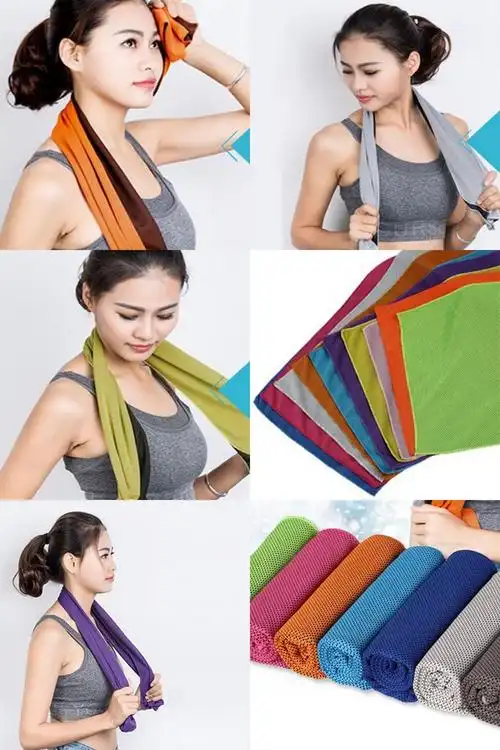
- Microfiber and Synthetic Blends: Crafted from polyester and polyamide blends, microfiber towels offer ultra-fast drying times and compact storage, ideal for sports, automotive care, and travel gear manufacturers.
Demystifying Towel Density: The GSM Specification
A primary metric used by textile engineers and global buyers to measure towel quality is GSM (Grams per Square Meter). GSM indicates the density and weight of the fabric, directly correlating with its warmth, absorbency, and drying speed.
| GSM Range | Weight Category | Key Characteristics | Common Applications |
| 300 – 400 GSM | Lightweight | Fast-drying, thin, packable | Gyms, kitchens, beach towels, travel items |
| 400 – 600 GSM | Medium Weight | Balanced absorbency, soft, durable | Standard hotel bath towels, daily retail lines |
| 600 – 900 GSM | Heavyweight | Ultra-plush, highly absorbent, luxurious | Premium spas, 5-star resort collections, luxury retail |
Core Manufacturing Capabilities and Customization Options
Leading towel factories operate sophisticated automated weaving looms capable of delivering tailored product specifications. When sourcing at scale, commercial buyers should evaluate a facility’s specialized weaving technologies:
Weaving Techniques
- Ring-Spun Cotton: Twisting long and short staple fibers together creates a strong, smooth yarn that resists fraying over hundreds of commercial laundry cycles.
- Zero-Twist Yarns: Utilizing premium long-staple cotton without twisting the fibers allows the loops to stay open, creating an extraordinarily soft and fluffy feel with rapid water absorption.
- Jacquard Weaving: Allows manufacturers to weave intricate patterns, raised logos, and custom textures directly into the fabric matrix, preferred for branded hotel linens and designer collections.
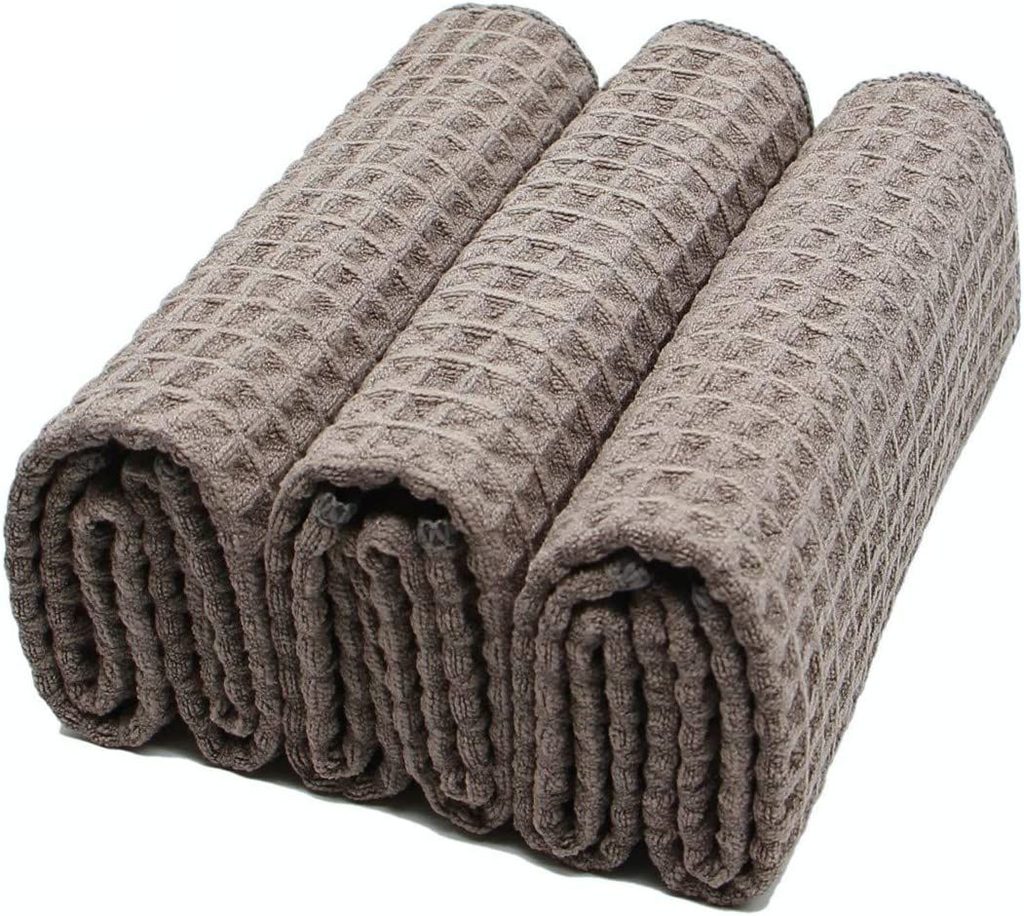
- Dobby Weaving: Ideal for mass-producing flat-woven ribbons, decorative borders, and uniform waffle textures commonly seen in institutional settings.
Custom Finishing and Dyeing
To align products with specific brand aesthetics, advanced manufacturers offer custom yarn-dyeing, piece-dyeing, and reactive dyeing process lines. Reactive dyeing ensures long-lasting color fastness against hot water washing and industrial laundering chemicals.
Quality Certifications and Sustainable Textile Production
Modern textile manufacturing extends beyond physical performance; environmental stewardship and product safety are paramount. Global buyers should verify that production facilities possess international quality and sustainability credentials:
- OEKO-TEX Standard 100: Guarantees that the finished textile is free from harmful levels of toxic substances, heavy metals, and irritating chemicals.
- Global Organic Textile Standard (GOTS): Tracks the organic status of textiles from harvesting raw cotton through environmentally and socially responsible manufacturing.
- ISO 9001 Certification: Demonstrates consistent quality management systems across factory operations, yarn sourcing, weaving, and final inspection.
- Water Recycling and Closed-Loop Dyeing: Top-tier manufacturers employ advanced wastewater treatment plants (ETPs) to recycle up to 90% of water used during bleaching and dyeing phases.
Key Steps to Vet and Select the Ideal Towel Manufacturer
To build a seamless supply chain, purchasing teams should execute a systematic evaluation process prior to issuing large purchase orders:
- Review Minimum Order Quantities (MOQs): Assess whether the factory’s batch requirements match your distribution projections for custom-dyed or custom-sized production runs.
- Request Lab Dips and Pre-Production Samples: Evaluate sample weight, border stitching precision, hem double-stitching, and color accuracy under standardized lighting.
- Inspect Commercial Laundering Resilience: Test sample towels against repeated high-temperature washing cycles to verify shrinkage rates, lint loss, and color retention.
- Verify Supply Chain Transparency: Ensure the facility sources raw cotton ethically and adheres to fair labor standards throughout its spinning, weaving, and packaging departments.
By prioritizing material specifications, manufacturing technology, and certified ethical production, organizations can establish durable, long-term manufacturing partnerships that elevate brand reputation and deliver outstanding product performance.
