Denim is one of the most enduring, versatile, and profitable segments in the global apparel industry. From classic raw denim straight-legs to modern high-stretch skinny jeans and oversized vintage utility pants, a well-crafted pair of jeans is a staple in wardrobes across the globe. However, unlike standard knitwear or basic t-shirt manufacturing, denim production is a highly specialized craft that requires unique machinery, artistry, and technical expertise.
For fashion entrepreneurs and established clothing lines looking to launch or scale a denim collection, finding the right jean manufacturer is the single most critical step. The right production partner will understand the nuances of fabric weights, wash techniques, and structural durability.
Here is a comprehensive guide on how to evaluate and choose the perfect denim manufacturing partner for your clothing brand.
1. Look for Denim Sourcing and Fabric Specialization
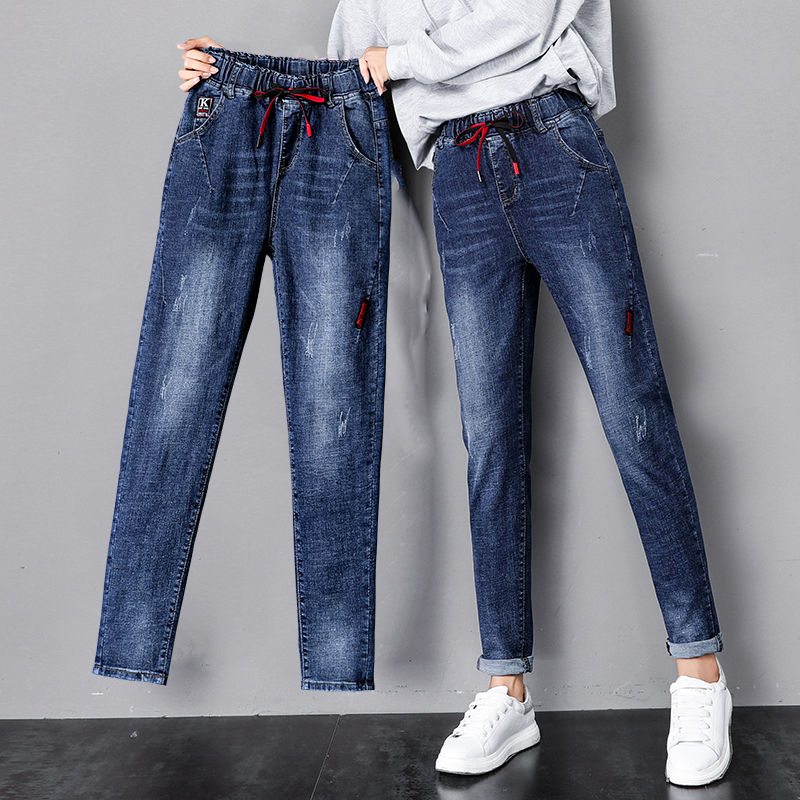
The foundation of any premium pair of jeans is the raw denim fabric itself. When vetting potential custom jean manufacturers, you must inquire about their fabric sourcing capabilities and relationships with global denim mills.
High-quality denim manufacturing requires a deep understanding of fabric composition:
- 100% Cotton Rigid Denim: Highly sought after for vintage, authentic streetwear styles. It requires precise pattern grading because the fabric has zero stretch.
- Stretch Denim Blends: Incorporating elastane, spandex, or polyester blends to create comfortable, form-fitting jeans. The manufacturer must know how to control heat during production so the stretch fibers do not degrade.
- Fabric Weight (Ounces): Denim is measured in ounces per square yard (oz). Lightweight denim (8–10 oz) is ideal for summer shirts or lightweight wide-leg trousers, mid-weight denim (11–13 oz) is standard for traditional jeans, and heavyweight denim (14+ oz) is used for premium, durable raw denim collections.
2. Evaluate the Laundry and Wash Facilities
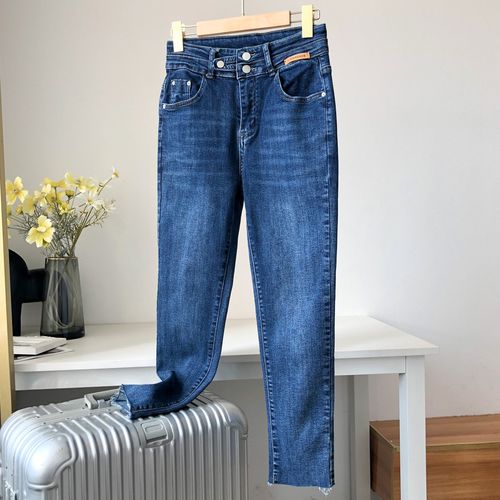
A standard pair of jeans looks stiff, dark, and uniform when it is first sewn together. The true magic of denim manufacturing happens in the laundry stage, where the jeans undergo washing, distressing, and chemical treatments to achieve their final texture, color, and character.
An experienced jeans factory should offer a wide range of specialized washing techniques:
- Stone Washing & Enzyme Washing: Uses pumice stones or natural enzymes to soften the fabric and create a gently faded, worn-in look.
- Acid Wash & Bleaching: Creates high-contrast, vintage textures popular in contemporary streetwear collections.
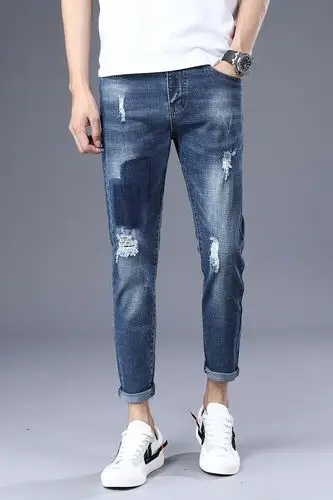
- Hand Scrapping and Whiskering: Manual distressing techniques applied to the thighs and pockets to replicate natural wear lines.
Because denim washing is historically water- and chemical-intensive, ensure your manufacturer utilizes modern, eco-friendly laundry technologies such as ozone washing or laser distressing, which drastically reduce environmental impact while maintaining premium aesthetics.
3. Assess the Technical Construction and Hardware Capabilities
Jeans are built to handle stress and friction, which means the sewing construction must be incredibly robust. Look closely at the factory’s technical capabilities during the sampling phase.
Pay close attention to these vital construction details:
- Reinforced Stitching: Look for heavy-duty chain stitching on the waistband and flat-felled seams along the inseam and outseam to ensure the jeans will not rip under pressure.
- Bar Tacking: High-stress points, such as the corners of the back pockets and the base of the belt loops, must be reinforced with dense, tight stitches called bar tacks.
- Hardware Integration: Premium denim requires high-quality metal buttons, rivets, and smooth-running brass zippers (such as YKK). Your manufacturer should be able to source or custom-stamp these hardware components with your brand’s logo.
4. Comparing Domestic vs. Overseas Denim Manufacturing
Deciding where to base your denim production depends heavily on your brand’s budget, target retail price point, and order volumes. Review the manufacturing comparison matrix below:
| Operational Factor | Domestic Denim Manufacturers | Overseas Denim Manufacturers |
| Production Costs | Higher per-unit labor and fabric costs | Highly cost-effective for medium to large bulk runs |
| Minimum Order Quantities | Often lower, allowing for niche, small-batch runs | Higher MOQs required to offset international setup costs |
| Technological Scale | Often limited to traditional wash facilities | Massive, state-of-the-art automated laundry systems |
| Lead Times | Shorter shipping windows and easier factory visits | Longer ocean freight timelines, requiring advanced planning |
5. Prioritize Quality Control and Fit Consistency
Sizing consistency is one of the biggest challenges in denim retail. Because denim shrinks significantly during the heavy washing and distressing phases, the factory’s pattern makers must calculate the exact shrinkage rate of the specific fabric lot before cutting the raw material.
A professional denim clothing manufacturer will run shrinkage tests on a sample piece of fabric, wash it through the designated laundry cycle, and adjust the digital cutting patterns accordingly. Never skip the pre-production sampling phase; fit-test your prototypes on live fit models to verify that the waist, hips, and rise measurements match your brand’s specifications exactly.
Conclusion: Partner with a Denim Expert
Manufacturing high-quality jeans is a blend of heavy industrial engineering and artistic craftsmanship. By choosing a manufacturer that specializes exclusively in denim, offers advanced eco-friendly wash techniques, and maintains rigorous quality control standards, you lay the foundation for a successful, highly profitable denim brand.
Are you ready to design the perfect pair of jeans for your audience? Our manufacturing facility specializes in premium custom denim production, offering full-service design, pattern making, advanced sustainable washing, and custom hardware integration. Contact our development team today to discuss your project requirements and request a quote.
