
In the outerwear industry, moving a design from a creative sketch to a physical garment is a highly complex process. Jackets require multiple layers of structural engineering, including shell fabrics, thermal insulation, internal linings, pocket configurations, and heavy-duty hardware. If you approach a production facility with only a loose sketch or an inspirational photograph, the factory floor is forced to make assumptions about critical structural details—which often results in expensive sampling errors, missed deadlines, and distorted fits.
To protect your manufacturing investment and achieve absolute precision, you must provide your jacket manufacturer with a comprehensive Tech Pack.
A tech pack functions as the definitive architectural blueprint for your clothing line. It translates your aesthetic designs into a clear, data-driven technical language that pattern makers, fabric cutters, and engineers can execute exactly. Here is a step-by-step guide to building an industry-standard jacket tech pack for your custom outerwear production.
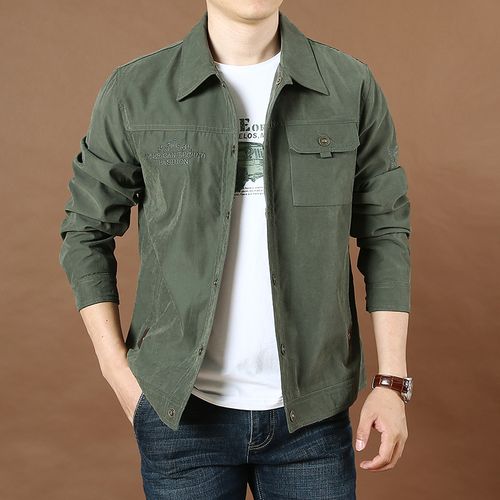
1. Technical Flat Sketches and Structural Annotations
The initial sheet of your jacket tech pack serves as the master title page for the assembly line. It organizes essential tracking data, such as your brand name, style code (SKU), garment name, creation date, and a version log to record pattern changes throughout the sample evaluation lifecycle.
The primary requirement of this section relies on Technical Flat Sketches:
- Create clean, black-and-white vector drawings (typically executed using Adobe Illustrator) showing the exact front, back, and side views of the jacket.
- Do not provide artistic fashion illustrations with stylized proportions or movement rendering. The drawings must be purely flat, geometric, and proportional.
- Use callout lines and zoom-in windows to annotate specialized design details, such as the exact path of interior storm flaps, drawstring toggle placements, internal media pockets, or underarm ventilation zippers.
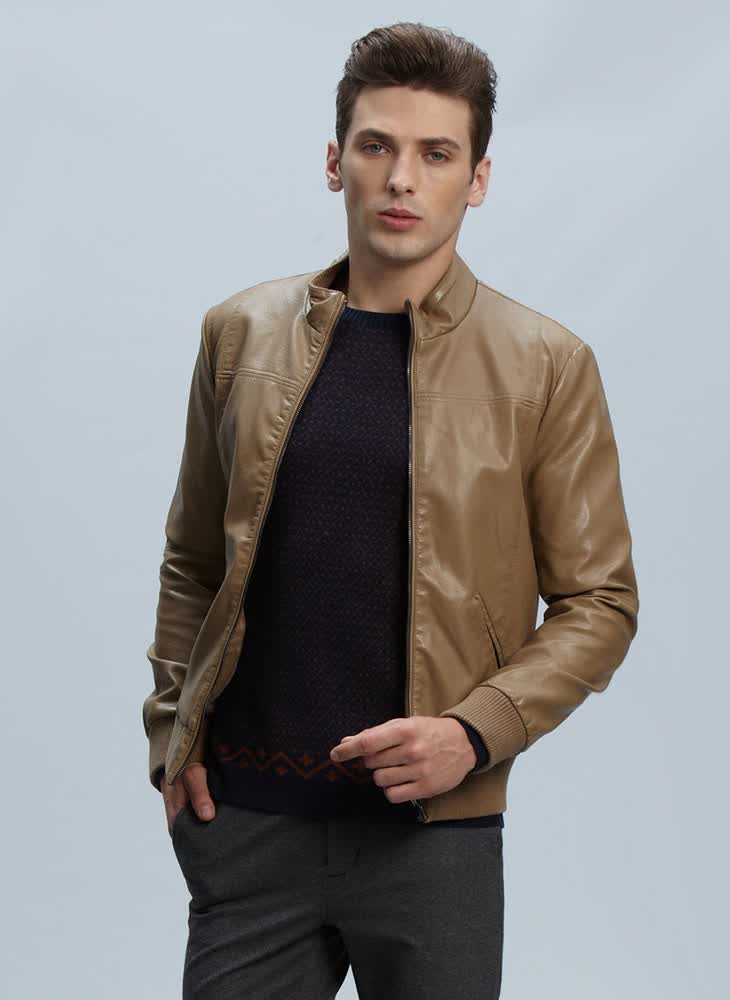
2. The Outerwear Bill of Materials (BOM)
The Bill of Materials is a comprehensive, line-item inventory listing every physical component required to construct a single unit of your jacket. Because jackets are structurally complex, a missing item on this sheet will halt production or lead to unauthorized material substitutions.
Your outerwear BOM must be meticulously organized in a table format:
| Component Category | Technical Specifications | Placement & Application |
| Shell Fabric | 3-Layer 70D Nylon Ripstop with TPU Membrane | Main exterior body panels |
| Lining Fabric | 30D Recycled Polyester Anti-Static Taffeta | Full internal garment lining |
| Insulation | 120 GSM Synthetic PrimaLoft® Black Eco | Sandwiched between shell and lining |
| Main Closure | #5 YKK AquaGuard® Waterproof Coil Zipper | Center-front opening |
| Pocket Closures | #3 YKK Reverse Coil Zippers | Left/right hand pockets, chest pocket |
| Seam Tape | 22mm Thermoplastic Waterproof Seam Tape | Applied over all interior stitched seams |
| Hardware | Elastic drawcord with nylon cord locks/toggles | Adjustable hood and bottom hem |
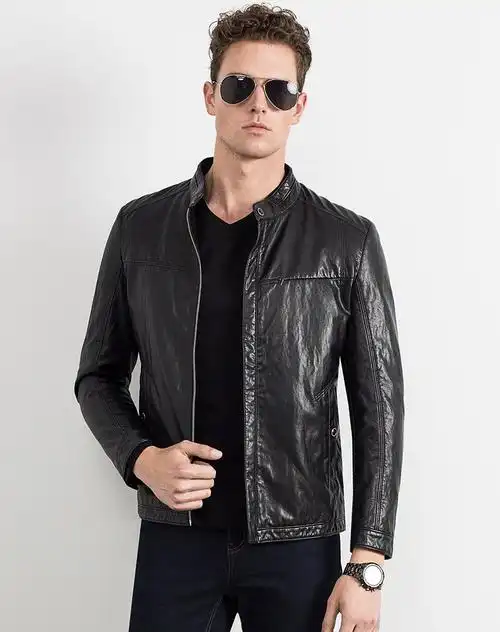
3. Stitching Specs, Seam Engineering, and Waterproofing
Outerwear is subjected to extreme physical stress and weather conditions. Therefore, your tech pack must dictate specialized seam configurations and precise machine adjustments to completely eliminate water penetration and seam tearing.
- Seam Taping and Sealing: If you are designing a waterproof rain jacket or ski coat, explicitly mark which seams must be fully taped or critically taped using hot-air seam sealing machinery. State the required width and melting temperature of the thermoplastic tape.
- SPI (Stitches Per Inch): For technical heavy-weight fabrics, maintain a strict factory standard of 8 to 10 SPI. If the stitches are too close together, they can weaken the synthetic shell fabric; if they are too loose, the seams will gap and leak water under hydrostatic pressure.
- Reinforcement Bar-Tacks: Explicitly map out where dense, heavy-duty reinforcement bar-tacks are required, particularly at the top and bottom of zipper tracks, pocket openings, shoulder joints, and cuff tab attachment points.
4. Point of Measure (POM) and Sizing Tolerances
The measurement spec sheet is the mathematical backbone of your garment engineering. It controls how your jacket will drape across various human body shapes while allowing room for layering underneath. First, establish your base sample size (such as a Men’s size Medium) and document exact dimensions for every critical Point of Measure, including:
- Chest and Hem Circumference: Measured flat across the front panel from armpit to armpit and across the bottom opening.
- Sleeve Length and Bicep Width: Ensuring proper articulation and comfort when arms are bent or raised during movement.
- Hood Height and Depth: Ensuring the hood is large enough to frame the face comfortably and, if necessary, accommodate a helmet (for ski or utility workwear jackets).
Next, define your Sizing Tolerances—the minor margin of error permitted before a finished garment is flagged as defective during quality control. Because multi-layered insulated garments contract and expand easily during the quilting and assembly processes, a standard tolerance of application +/- 0.5 inches (or 1.2 cm) is typical across professional outerwear factories.
Conclusion: Take Control of Your Production Line
Investing the time and technical precision required to construct an airtight tech pack completely redefines your relationship with your production facility. It shifts the dynamic from subjective guessing to objective execution. By providing your custom jacket manufacturer with an absolute blueprint, you secure consistent sizing across production batches, eliminate sample waste, and guarantee a premium final product that commands exceptional retail margins.
Are you ready to translate your creative outerwear concepts into a global commercial success? Our advanced manufacturing plant specializes in world-class technical outerwear, utilizing your technical tech packs to execute flawless bulk jacket production runs. If you need assistance transforming your initial design files into factory-ready technical specifications, our in-house engineering team is here to guide you. Contact our production team today to request a custom manufacturing quote.
Get a Quote Now