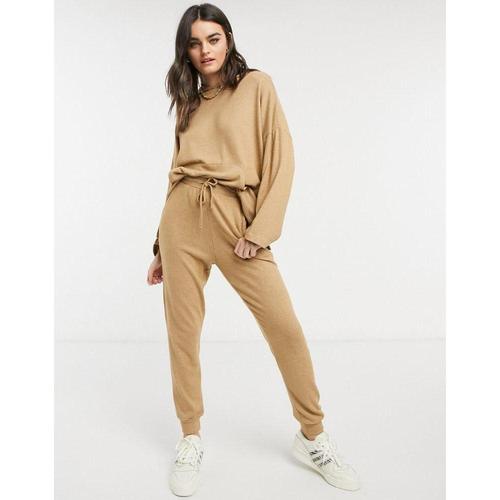
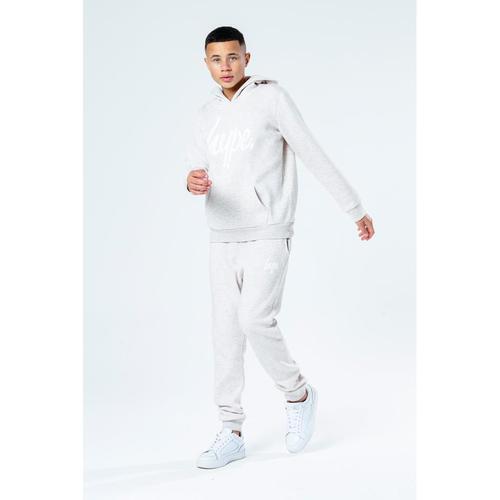
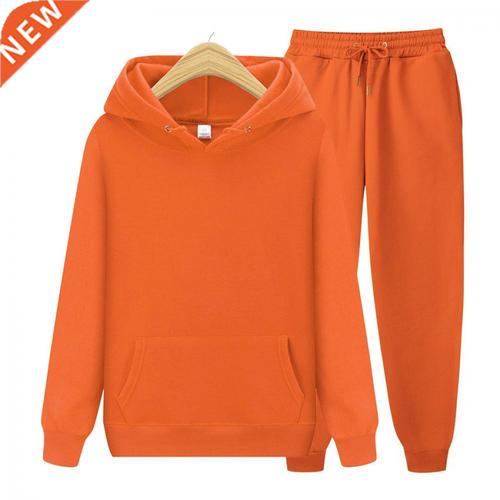
The tracksuit has completed its journey from a purely athletic uniform to one of the most dominant staples in global fashion. Anchoring both the luxury athleisure movement and the core streetwear scene, matching tracksuit sets are a high-demand, high-margin asset for modern clothing lines. Whether your brand identity focuses on vintage polyester tracksuits, heavy-weight cotton fleece sets, or sleek nylon windbreaker styles, executing a cohesive matching set requires precision on the factory floor.
Unlike manufacturing standalone pieces like t-shirts, a tracksuit demands absolute consistency in fabric dye lots, pattern grading, and trim synchronization between two separate garments (the jacket and the pants). To secure a retail-ready finish that keeps customers coming back, you must partner with a specialized tracksuit manufacturer.
If you are currently evaluating production facilities, here is an industry guide to choosing the ideal manufacturing partner.
1. Mastery Over Multi-Fabric Sourcing and Textile Consistency
The defining characteristic of a premium tracksuit is its material execution. Because tracksuits span multiple sub-genres of fashion, your chosen custom tracksuit manufacturer must have a versatile textile supply chain.
Ensure your production partner can source and masterfully handle these core fabrications:
Heavy-Weight Cotton Fleece & French Terry: Ideal for streetwear and luxury loungear lines. Look for high-gauge knits between 350 to 450+ GSM (Grams per Square Meter) to achieve a structured, cozy drape that doesn’t sag.
Polyester Tricot: The quintessential choice for retro, 90s-style athletic tracksuits. Tricot features a smooth, slightly shiny exterior and a brushed, soft interior. It requires specialized needles during sewing to prevent fabric snagging.
Crinkle Nylon & Taslan: Perfect for lightweight, technical windbreaker tracksuits. These woven textiles must be paired with moisture-wicking mesh linings to ensure breathability.
The Dye Lot Warning: One of the biggest challenges in tracksuit manufacturing is ensuring the jacket matches the pants perfectly. A professional clothing manufacturer will always cut and dye the top and bottom panels from the exact same fabric roll and dye lot to prevent subtle, unprofessional color mismatches under retail lighting.
2. Precision Alignment of Hardware and Coordinates
A high-quality tracksuit relies heavily on synchronized trims and hardware. When reviewing samples from an apparel factory, closely inspect how they execute these technical details:
Matching Zipper Tracks: If your jacket features a full-zip front and the track pants feature zippered ankle cuffs, the zipper tape, teeth color, and pull tabs must match identically across both garments. High-grade hardware brands like YKK or custom-branded zinc alloy pulls elevate the collection instantly.
Waistband and Cuff Continuity: The rib-knit trim used on the jacket’s cuffs and waistband should utilize the exact same yarn, tension, and weight as the waistband and ankle cuffs of the track pants. Look for 2×2 lycra-infused ribbing to prevent the openings from stretching out over time.
Drawstring Coordination: The braided cords or flat drawstrings pulled through the jacket’s hood should share the exact same thickness, material, and metal aglets (tips) as the drawstrings in the pants’ waistband.
3. Advanced Sewing and Structural Stitching Standards
Tracksuits are designed for movement, utility, and frequent wear. The structural seam lines must be highly durable to withstand daily stretching. Look for factories that utilize these advanced sewing configurations:
Three-Needle Five-Thread Cover-Stitching: Essential for heavy fleece tracksuits. This provides an industrial, flat finish along the raglan sleeve seams, pocket edges, and pant rises, preventing the internal seam allowance from creating bulk.
Flatlock Seams: Often utilized in technical or performance-focused activewear tracksuits to eliminate skin chafing by joining panels completely flush against each other.
Reinforced Side-Seam Paneling: If your design features contrasting side stripes or sewn-on logo taping down the sleeves and legs, the factory must demonstrate meticulous pattern matching so the stripes sit perfectly straight without twisting forward or backward.
4. Technical Production Matrix: Choosing Your Operational Scale
Before launching production, verify that the factory’s operational capabilities align with your brand’s distribution goals:
Production Parameter
Agile Small-Batch Studio
Mass-Production Tracksuit Manufacturer
Minimum Order Quantities
100 – 150 sets per color
500 – 1,000+ sets per style
Pattern Development
Customized, complex techwear silhouettes
Streamlined, classic block sizing
Decoration Focus
High-density embroidery, custom puff print
High-speed screen printing, sublimation
Best Suited For
Independent boutique labels, startups
High-volume retail, corporate e-commerce
Conclusion: Establish a Flawless Structural Foundation
Succeeding in the highly competitive matching-set market requires a commitment to consistency, fabric purity, and exact trim matching. By selecting a specialized tracksuit manufacturer that understands dye lot synchronization, handles both knits and technical wovens with ease, and implements rigorous quality control testing, you safeguard your investment and deliver a cohesive product that commands premium retail prices.
Are you ready to develop a standout tracksuit collection for your audience? Our advanced production plant specializes in turnkey tracksuit manufacturing, offering premium fleece and tricot sourcing, custom hardware development, expert side-stripe engineering, and meticulous quality assurance. Contact our B2B development team today to discuss your designs and receive a custom manufacturing quote.