The global activewear market continues to expand at a rapid pace, driven by a growing worldwide focus on health, fitness, and athleisure fashion. For emerging fitness entrepreneurs and established sportswear lines alike, turning design concepts into high-performance garments requires more than just creativity—it requires a dependable supply chain partner. Finding the ideal gym clothing manufacturer is often the defining factor between a brand that struggles with product defects and customer returns, and one that builds a loyal customer base with premium apparel.
Selecting a custom sportswear producer involves evaluating technical capabilities, material sourcing, quality control protocols, and production flexibility. Below is a detailed guide on what to look for when choosing a manufacturing partner to build, scale, and refine your activewear line.
1. Technical Expertise and Fabric Sourcing Capabilities
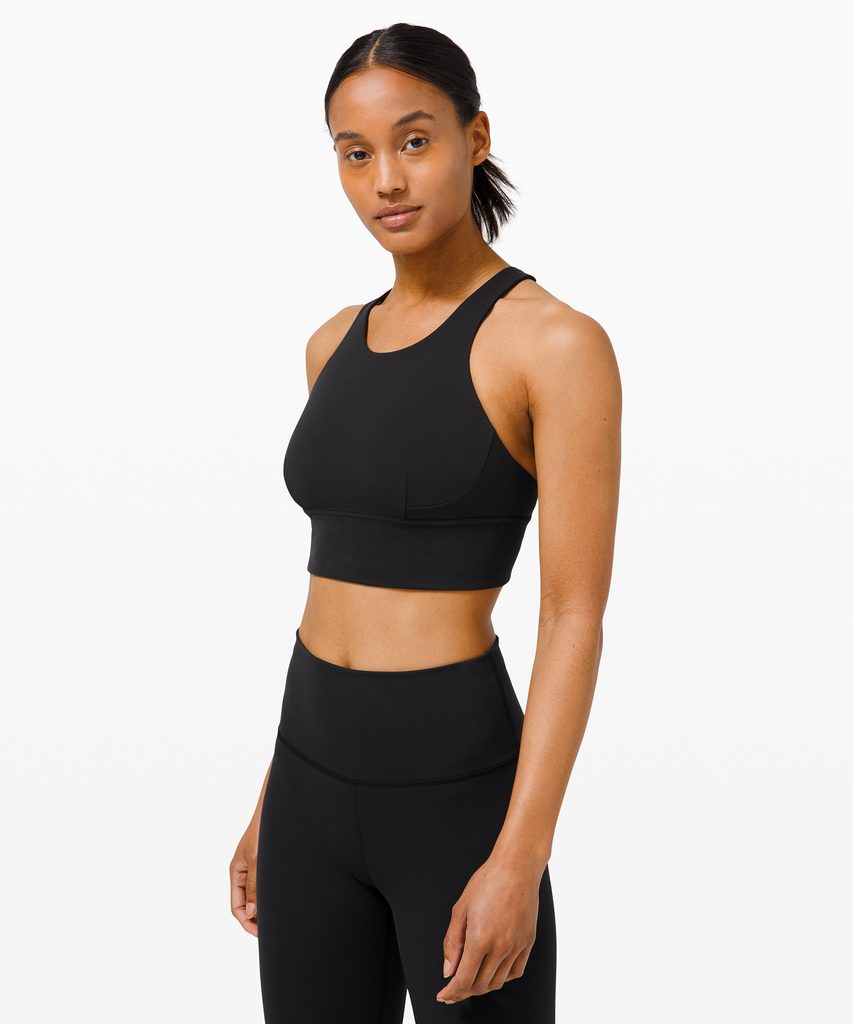
Gym clothing requires specialized manufacturing processes that differ significantly from standard casual wear. Fitness garments must withstand intense physical movement, repeated stretching, friction, and frequent laundering without losing shape or color.
When evaluating an activewear factory, prioritize their expertise in high-performance textiles and construction methods:
- Advanced Fabric Engineering: A specialized supplier should offer access to high-grade technical fabrics, including nylon-spandex blends, polyester-elastane mixes, breathable meshes, and seamless knits. Look for features like moisture-wicking technology, four-way stretch, anti-pilling finishes, and squat-proof opacity (adequate fabric weight measured in GSM).
- Specialized Stitching and Seams: Flatlock stitching is essential for gym garments because it minimizes chafing against the skin during movement. Ensure the factory has dedicated flatlock and overlock machinery designed specifically for elastic performance wear.
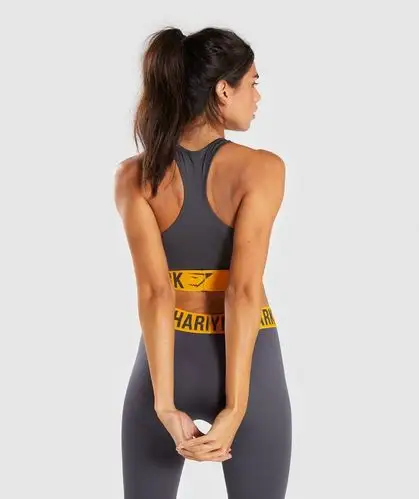
- Seamless Garment Production: Seamless technology reduces material waste and creates lightweight, high-comfort garments like sports bras, leggings, and compression tops. A manufacturer with seamless circular knitting machinery gives your brand a competitive advantage.
2. Low Minimum Order Quantities (MOQs) and Scalability
One of the biggest hurdles for new activewear brands is high inventory requirements. Ordering thousands of units per style before testing market response can strain working capital and increase financial risk.
- Flexible Starting Quantities: Partnering with a manufacturer that offers reasonable MOQs allows startups to launch small capsule collections, test different colorways, and gather real customer feedback.
- Scalable Production Infrastructure: As your brand grows, your manufacturing partner should have the capacity, machinery, and supply chain strength to scale production up to thousands of pieces per month without compromising on lead times or garment consistency.
3. Comprehensive Tech Pack and Sampling Support
Before full production begins, every design detail must be tested through technical specification packages (tech packs) and physical samples.
A premier sportswear factory works side-by-side with designers to streamline this development phase:
- Tech Pack Refinement: A full-service factory helps translate initial sketches into accurate technical packs, specifying fabric GSM, stretch ratios, measurement grading tables, trim placements, and care instructions.
- Prototyping and Sample Fitting: Creating functional samples allows you to evaluate garment fit, stretch recovery, seam strength, and aesthetic appeal. Test these samples during actual workouts to ensure they meet performance expectations.
- Pattern Making and Grading: Proper pattern grading ensures that your garments fit consistently across all size options, from extra-small to plus sizes.
4. Quality Control and Ethical Manufacturing Standards
Product consistency builds brand loyalty. A single batch of see-through leggings or unraveling seams can harm a fitness brand’s reputation. Ensure your manufacturing partner follows a rigorous multi-stage quality assurance protocol:
- Raw Material Testing: Checking incoming fabric rolls for color fastness, shrinkage rates, tensile strength, and elasticity recovery before cutting begins.
- In-Line Quality Inspections: Monitoring garment assembly on the sewing floor to catch stitching errors, mismatched panels, or incorrect sizing early in the run.
- Final Garment Audits: Inspecting finished items for loose threads, accurate measurements, logo placement accuracy, and secure trim attachment prior to packing.
- Ethical and Sustainable Practices: Modern consumers care deeply about how their clothing is made. Partnering with factories that guarantee fair wages, safe working conditions, non-toxic fabric dyes, and eco-friendly practices (such as using recycled polyester or biodegradable packaging) adds immense brand value.
5. Private Labeling and Branding Solutions
To deliver a fully finished product ready for retail distribution, your gym clothing manufacturer should offer complete private label customization. This includes custom heat-transfer back-neck labels, woven brand tags, custom hangtags, silicone or rubberized exterior logos, and branded eco-friendly packaging. Integrated private labeling ensures your products reflect a polished, high-end identity from the moment customers unbox them.
Building a Long-Term Strategic Partnership
Finding the right activewear factory is not merely a transactional arrangement; it is a long-term strategic partnership. Open communication, transparent lead time estimates, clear contract terms, and a shared dedication to product excellence create the foundation for sustainable growth.
By prioritizing fabric quality, seamless technology, flexible ordering structures, and strict quality assurance, activewear brands can launch high-performing gym clothing lines that stand out in a competitive market and earn long-term customer trust.
