The global market for loungewear has experienced a significant shift in recent years. Once viewed primarily as casual attire meant exclusively for the home, modern loungewear now occupies the intersection of luxury, street fashion, and everyday functionality. Today’s consumers demand garments that seamlessly transition from remote work setups to casual social outings, combining supreme comfort with a refined, modern aesthetic.
For emerging clothing labels, activewear brands, and established fashion retailers, launching or expanding a successful collection requires more than creative design concepts. It hinges on building a strong relationship with an experienced loungewear manufacturer capable of turning technical designs into market-ready garments. Understanding the intricacies of custom apparel production helps brand owners navigate fabric selection, modern garment construction, quality assurance, and supply chain management effectively.
Core Capabilities to Look for in a Loungewear Manufacturer
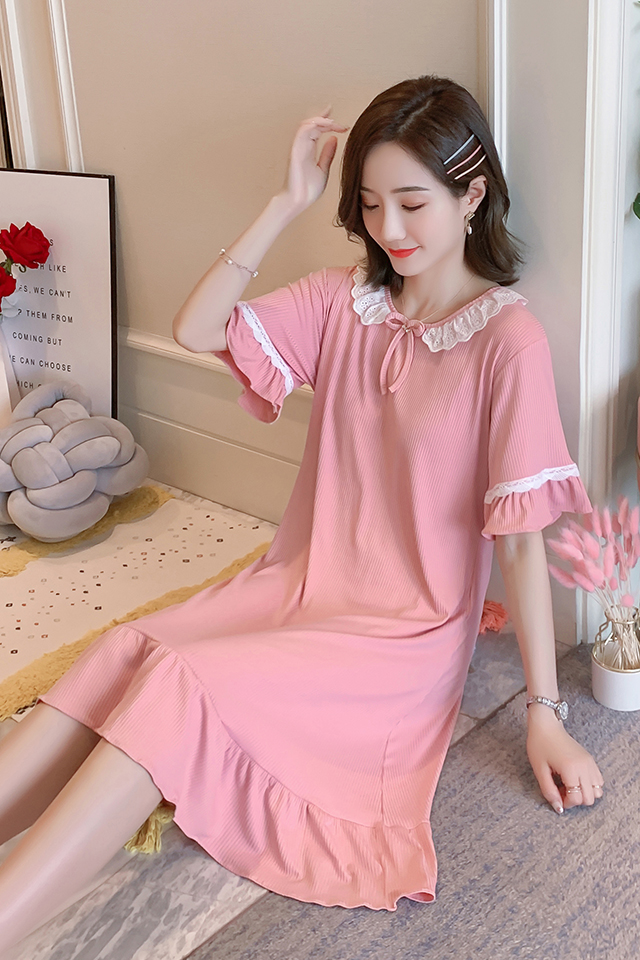
Selecting the right apparel production partner requires evaluating technical capabilities, factory infrastructure, and specialized apparel expertise. Loungewear relies heavily on physical garment feel, seam durability, and precise fit profiles, making manufacturing expertise paramount.
- OEM and ODM Service Flexibility: A versatile clothing manufacturer offers both Original Equipment Manufacturing (OEM) and Original Design Manufacturing (ODM) options. Whether a brand arrives with fully realized tech packs or requires collaborative assistance in pattern making, grading, and prototyping, flexible manufacturing processes accommodate varying stages of brand growth.
- Specialized Fabric Sourcing: Comfort begins with raw materials. Top-tier manufacturers maintain extensive textile supply networks to source high-grade natural and synthetic knits. Essential loungewear textiles include heavy-weight French Terry, brushed Fleece, Modal blends, Organic Cotton, Rib Knits, and breathable Bamboo fibers.
- Precision Construction Techniques: The longevity of loungewear depends on specialized sewing methodologies. Manufacturers skilled in flatlock stitching, coverstitching, reinforced waistband construction, and custom drawcord integration produce garments that withstand frequent washing without losing structural integrity or shape.
The Loungewear Manufacturing Workflow: From Concept to Mass Production
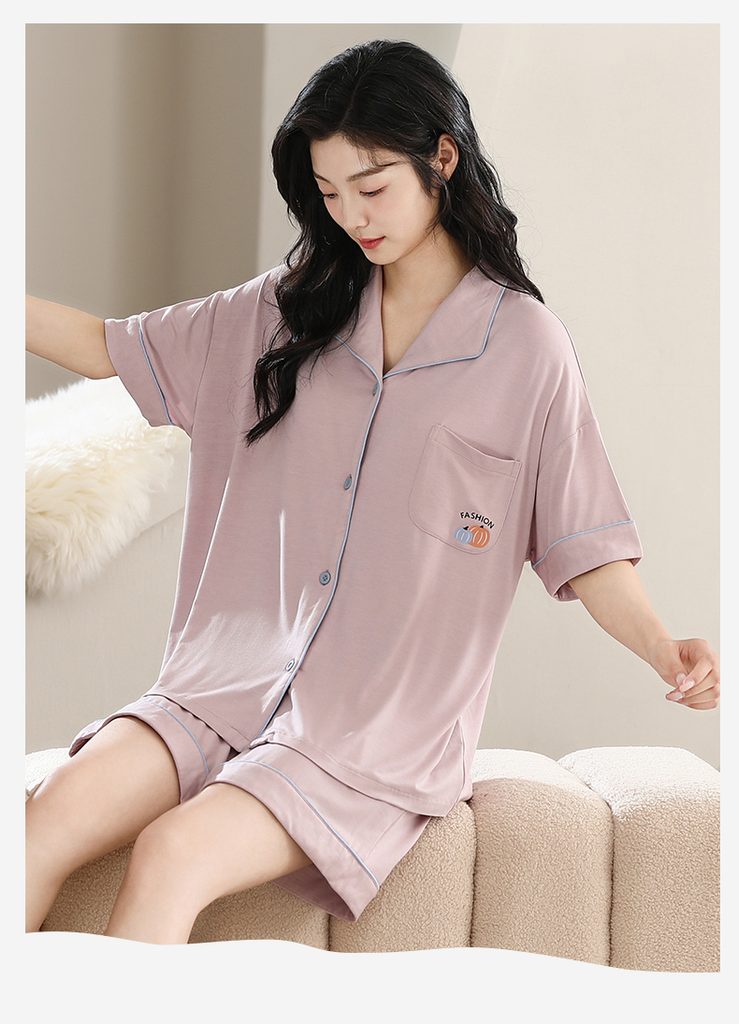
Transforming a designer’s vision into retail-ready apparel involves a systematic, multi-stage production workflow. Partnering with a structured manufacturing facility ensures every step meets strict specifications and deadlines.
1. Tech Pack Review and Design Consultation
Every production project begins with a comprehensive tech pack audit. Product development specialists review flat sketches, bill of materials (BOM), size spec sheets, and preferred garment construction methods. This early evaluation identifies potential design or material challenges before physical production begins, optimizing material utilization and reducing waste.
2. Textile Sourcing, Lab Dips, and Fabric Weight Testing
Once designs are finalized, fabric selection begins. Manufacturers provide swatches for hand-feel verification, fabric weight assessment measured in grams per square meter (GSM), and stretch recovery testing. Color matching is executed through precise lab dips under standardized industrial lighting conditions, ensuring absolute color consistency across bulk dye lots.
3. Prototyping and Fit Sampling
Before launching full-scale bulk production, a sample garment is constructed. Fit models test the sample to evaluate drape, comfort, range of motion, and sizing accuracy. Feedback from sample iterations allows pattern makers to adjust measurements, ensuring consistent fit across the entire size run from XS to XXL and beyond.
4. Bulk Cutting and Assembly
After final sample approval, bulk manufacturing commences. Automated laying and precision cutting machinery process fabric rolls with high accuracy to minimize fabric scrap. Skilled garment technicians assemble the cut panels using industrial sewing machinery calibrated specifically for stretch knits and plush fabrics.
5. Multi-Point Quality Control
Quality assurance occurs throughout the assembly process rather than solely at the end. In-line inspections check seam strength, stitch tension, and dimensional accuracy, while final quality control audits follow Acceptable Quality Limit (AQL) standards. Garments undergo loose-thread trimming, industrial steam pressing, and thorough defect checks prior to final packaging.
Sourcing Sustainable and Ethical Loungewear Textiles
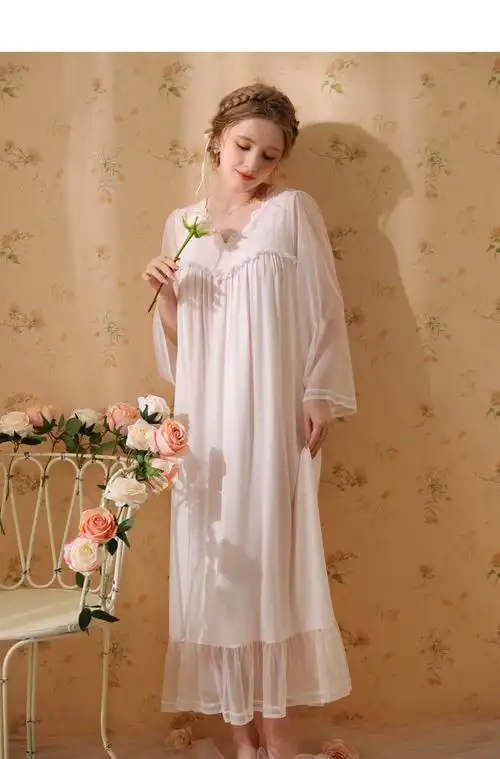
Modern consumers increasingly demand transparency and environmental responsibility from fashion brands. Working with an ethical manufacturer enables brands to build eco-conscious collections without compromising on softness, durability, or overall aesthetic appeal.
Leading garment manufacturing facilities integrate sustainable sourcing options directly into their supply networks, including:
- Certified Organic Cottons: Sourced from farms free of synthetic pesticides and fertilizers, preserving soil health and reducing water consumption.
- Recycled Synthetic Blends: Incorporating recycled polyester (rPET) or regenerated nylon fibers to decrease reliance on virgin petroleum-based synthetic materials.
- Eco-Friendly Fiber Innovations: Utilizing Tencel, Modal, and Bamboo fabrics sourced from sustainably managed forests through closed-loop manufacturing systems.
- Low-Impact Dyeing Methods: Implementing non-toxic, OEKO-TEX certified dyes and advanced water-recycling systems to minimize industrial wastewater footprint.
Customization, Private Labeling, and Scalability
Establishing a strong brand identity requires custom detailing that elevates loungewear from basic apparel to premium retail products. Modern custom garment facilities offer comprehensive private label branding services, including:
- Custom Trims and Hardware: Personalized metal eyelets, custom-dyed drawstrings, branded rubber aglets, and custom zipper pulls.
- Branding and Labeling: Woven neck labels, satin care labels, heat-transfer size prints, and custom hangtags.
- Advanced Surface Decoration: Precision embroidery, high-density puff printing, discharge screen printing, and custom silicone logo applications.
- Flexible Order Quantities: Scalable production schedules accommodate both limited-edition boutique drops and high-volume retail distributions.
Establishing a Sustainable Manufacturing Partnership
Building a successful loungewear line depends on choosing a manufacturing partner dedicated to transparent communication, operational efficiency, and consistent quality standards. By aligning with an experienced production team that understands modern knit technologies, sustainable garment practices, and custom private labeling, clothing brands can confidently deliver premium, comfortable, and market-ready collections to consumers worldwide.
