Implementing a large-scale workwear program is a major operational undertaking for any business. Whether your team operates in a corporate office, a fast-paced fulfillment warehouse, a bustling commercial kitchen, or a rigorous outdoor construction site, their attire speaks volumes about your company. A well-designed uniform program protects your workforce, boosts employee morale, and projects a cohesive, professional image to your clients.
However, designing an effective uniform requires a careful balance. If you focus entirely on safety and durability, your team may find the garments heavy, hot, and unappealing. If you prioritize aesthetics alone, the clothing will quickly deteriorate under the stress of daily physical labor.
To bridge this gap, you must collaborate with an experienced uniform manufacturer who understands how to merge high-performance garment engineering with modern style. Here is a step-by-step guide to building a balanced, high-yield workwear program.
1. Prioritize Industry-Specific Safety and Compliance
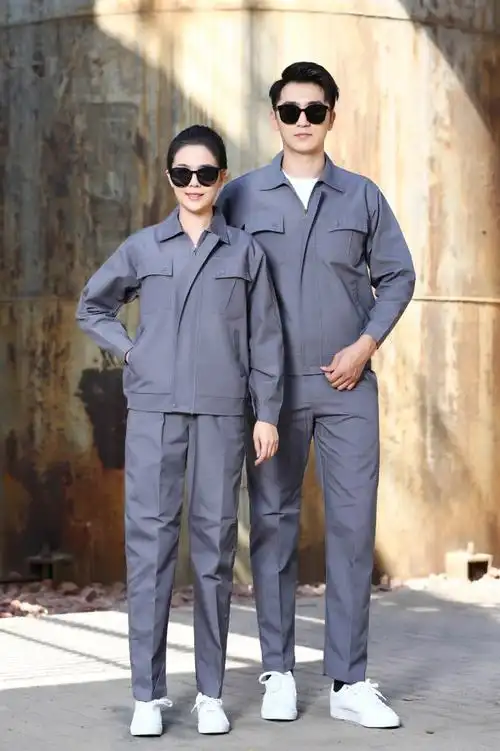
The absolute foundation of any industrial workwear program is physical safety. Before finalizing the style or color palette, you must identify the regulatory safety standards required by your specific field.
A professional custom uniform manufacturer can integrate specialized safety features directly into your custom designs:
- High-Visibility (Hi-Vis): Essential for construction, logistics, and roadside workers. Your factory must source fluorescent fabrics and industrial-grade retroreflective tapes that comply with ANSI/ISEA or EN ISO international visibility standards.
- Flame-Resistant (FR) Fabrics: Critical for electrical utilities, manufacturing plants, and oil and gas workers. These specialized materials are engineered not to ignite or melt when exposed to extreme heat or electrical arcs.
- Arc Flash and Anti-Static Protection: Utilized in electronics manufacturing and chemical processing to prevent accidental static discharge that could destroy sensitive components or trigger explosions.
2. Engineer for Utility and Daily Functionality
If a uniform hampers an employee’s ability to perform their job efficiently, the program has failed. Functionality is all about the small, technical design choices made during the product development phase.
Work closely with your clothing factory to incorporate these high-utility details:
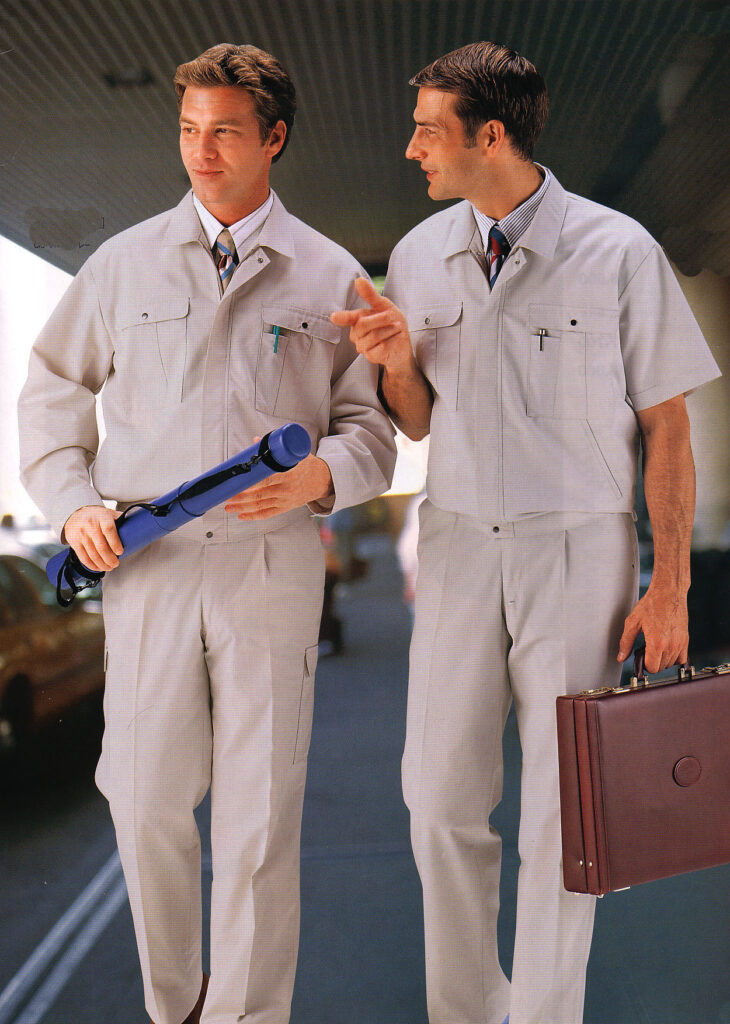
The Mobility Factor: Traditional fabrics can restrict movement. Ask your manufacturer to use advanced mechanical stretch fabrics or integrate ergonomic gussets under the arms and at the crotch. This allows employees to bend, reach, and lift easily without putting excess stress on the garment seams.
- Strategic Pocket Architectures: Modern workwear must accommodate tools, tablets, and smartphones. Incorporate dedicated utility pockets with reinforced zippers or secure hook-and-loop closures.
- Climate Control & Ventilation: For outdoor teams or warm warehouse environments, choose moisture-wicking fabrics and instruct your factory to integrate breathable mesh vents into high-heat zones like the back yoke and underarms.

3. Maintaining Brand Aesthetics and Professionalism
While safety and utility are non-negotiable, your uniform program should also elevate your brand image. A modern uniform should look clean, contemporary, and intentional.
To achieve an attractive, cohesive look across your entire workforce, focus on these aesthetic details:
- Curated Color Harmonies: Instead of basic, generic colors, select a sophisticated color palette that seamlessly complements your company’s corporate logo. Ensure your factory uses premium colorfast dyes so the shades remain sharp and professional after dozens of industrial wash cycles.
- Streamlined Decoration Methods: Choose branding methods that suit the fabric weight. Heavy-duty canvas jackets and polo shirts look excellent with high-density embroidery, whereas lightweight, high-performance activewear styles benefit from smooth, durable heat-transfer printing.
- Consistent Trim Packages: Standardize your brand elements by using color-matched buttons, branded zipper pulls, and customized interior neck labels across all garment types.
4. Evaluating Fabric Longevity: The True Cost of Uniforms
When budgeting for a corporate apparel rollout, look beyond the initial purchase price. The true metric of value is the Cost Per Wear. Choosing cheap fabrics might save capital upfront, but if the shirts fade, pill, or rip within three months, your replacement costs will skyrocket.
Review the standard fabric blends below to determine the best choice for your program’s budget and durability requirements:
| Fabric Composition | Primary Strengths | Ideal Work Environment |
| 65% Polyester / 35% Cotton | Exceptional tear strength, wrinkle-resistant, excellent color retention. | Industrial manufacturing, mechanics, retail associates. |
| 100% Long-Staple Cotton | Highly breathable, hypoallergenic, natural comfort. | Professional kitchens, warm climates, casual corporate offices. |
| Nylon / Spandex Blends | High elasticity, lightweight, moisture-wicking, abrasion-resistant. | Active delivery drivers, logistics, field technicians. |
| Poly-Rayon-Sprub Blend | Silky drape, elegant structure, low maintenance. | Front-desk hospitality, healthcare scrubs, corporate management. |
Conclusion: Partner with a Turnkey Workwear Specialist
Designing a successful workwear program requires a deep understanding of textile science, industrial compliance, and modern fashion design. By partnering with a specialized uniform garment factory, you gain access to the technical expertise needed to build an apparel program that safeguards your employees, streamlines your operations, and beautifully represents your brand.
Are you ready to elevate your team’s professional presence? Our commercial production facility specializes in full-scale workwear and uniform manufacturing, providing advanced safety fabric sourcing, custom pattern grading, premium corporate branding, and dedicated fulfillment services. Contact our commercial account managers today to launch your custom apparel solution.
