
Launching or expanding an intimate apparel line is one of the most rewarding yet technically challenging ventures in the fashion industry. Unlike standard garments like t-shirts or loose loungewear, a bra is a highly complex piece of structural engineering. It relies on a meticulous combination of support, comfort, aesthetics, and precise sizing tolerance to satisfy the consumer.
Because a single bra can require up to 30 distinct components—ranging from underwires and molded cups to delicate elastics and specialized hook-and-eye closures—your choice of a bra manufacturer is the single most critical factor in your brand’s success.
If you are looking to partner with a factory to bring your intimate designs to life, here is a comprehensive guide on how to evaluate and choose the perfect production partner.
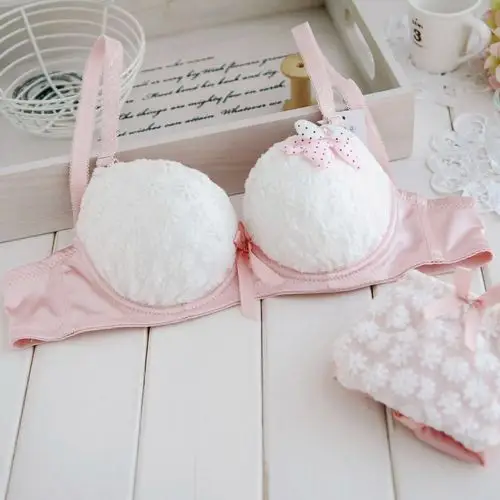
1. Look for Technical Expertise in Intimate Pattern Making
The human body comes in an infinite variety of shapes and proportions, meaning a bra must fit flawlessly across a wide spectrum of sizes. A minor 2-millimeter error in pattern drafting can completely ruin the support and comfort of the final garment, leading to high return rates and poor customer reviews.
When vetting potential custom bra manufacturers, ensure they possess an experienced, in-house technical design team. They must be proficient in:
- Complex Size Grading: Scaling patterns accurately from a 32A up to plus-size bands and deep cups (such as 42G+) without losing structural integrity.
- Point of Measure (POM) Accuracy: Ensuring the tension of the underband, the pitch of the underwires, and the angle of the shoulder straps are perfectly balanced for every size tier.
- Fit Testing Protocols: Ask if the factory utilizes live fit models across multiple size categories during the sampling phase, rather than relying solely on rigid plastic mannequins.
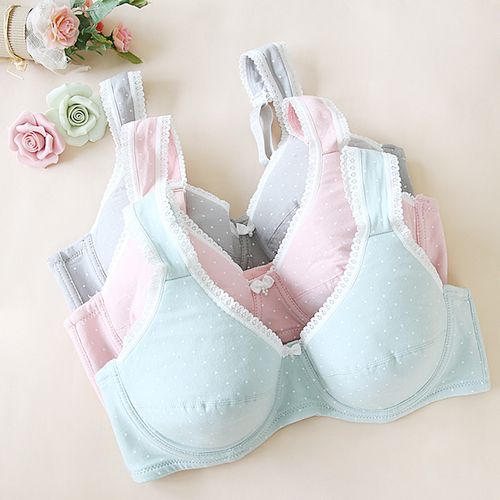
2. Evaluate Specialty Machinery and Construction Capabilities
Intimate apparel cannot be produced on standard industrial sewing machines. It requires an advanced, highly specialized factory floor. When auditing a lingerie factory, verify that they utilize the following state-of-the-art production technologies:
Bonded and Seamless Technology (Sonic Welding)
Modern consumers demand invisible, zero-feel undergarments. High-end manufacturers use ultrasonic welding and adhesive bonding machines to create seamless edges, eliminating traditional bulky stitching that irritates the skin and shows through thin clothing.
Cup Molding Machinery
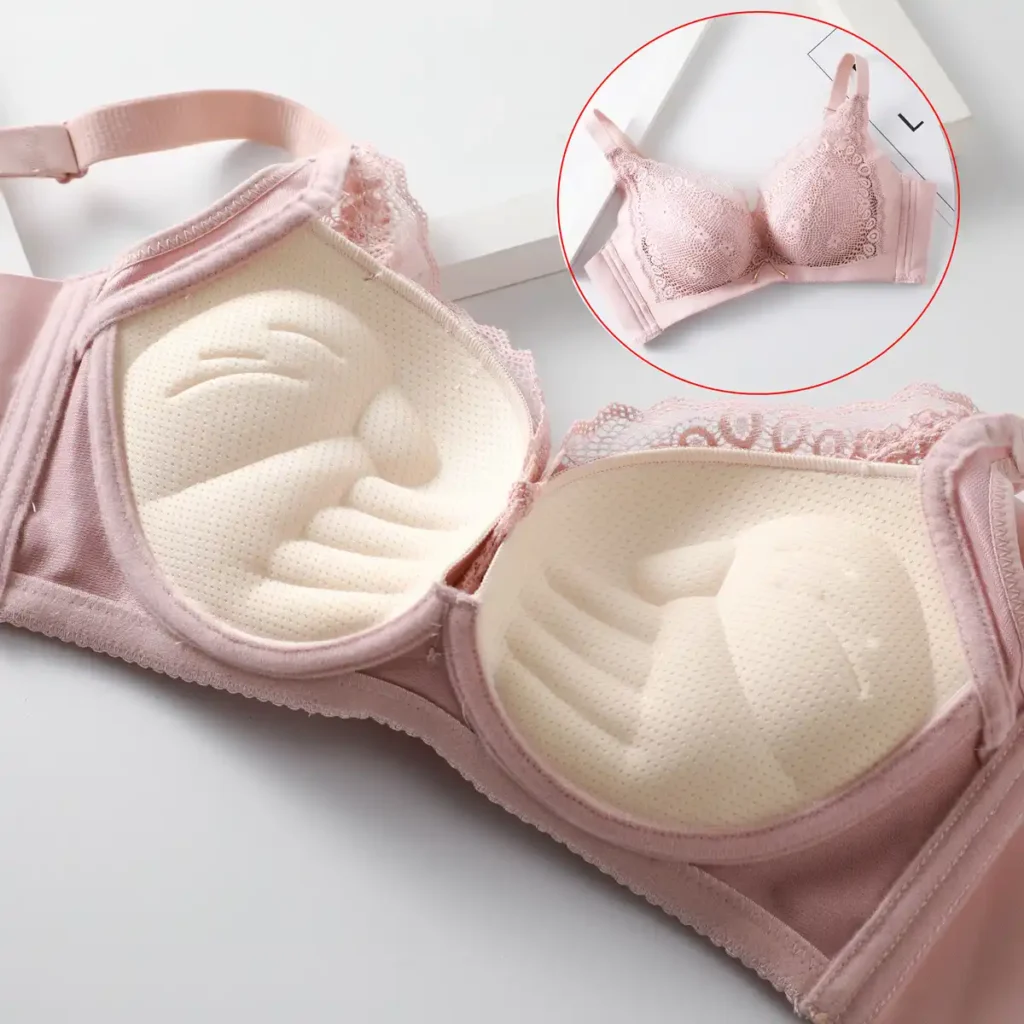
If your product line includes padded, contoured, or t-shirt bras, the factory must have specialized foam-molding machinery. They should be capable of working with various foam densities, memory foam, spacer fabrics, and eco-friendly breathable polyurethane to form flawless, symmetrical cups.
Specialized Stitching Lines
For traditional cut-and-sew lace bras, the factory must use specific zigzag, flatlock, and bar-tack sewing machines designed to handle delicate sheer meshes, rigid satins, and high-stretch elastane blends without causing fabric puckering or broken threads.
3. Prioritize Premium Material Sourcing and Skin-Safe Certification
Because bras are worn directly against the most sensitive areas of the skin for 12 to 18 hours a day, material quality is non-negotiable. Your manufacturing partner must have access to a robust, compliant supply chain for raw materials.
Ensure your clothing manufacturer sources components that meet global safety standards:
The Skin-Safe Standard: Look for factories whose fabrics, elastics, underwires, and metal hardware carry the OEKO-TEX Standard 100 certification. This guarantees that the final bra is completely free from harmful chemicals, allergens, or heavy metals (like nickel) that cause skin irritation or allergic reactions.
Additionally, ask about their catalogs for performance fabrics (like moisture-wicking nylons for sports bras), premium jacquard laces, and sustainable alternatives such as recycled nylon (Econyl) or organic bamboo viscose.
4. Understanding Production Metrics: MOQs vs. Component Sourcing
Bra manufacturing typically carries higher Minimum Order Quantities (MOQs) than basic streetwear or loungewear. This is because sourcing specialized components—such as custom-dyed lace trims, color-matched underwires, and branded elastics—requires significant bulk volumes from sub-suppliers.
Review the operational comparison matrix below to understand how different types of factories align with your business scale:
| Factory Classification | Average MOQ Requirements | Primary Advantage | Best Suited For |
| Boutique / Small-Batch | 100 – 300 units per style | Highly flexible, ideal for luxury silk and couture lace | Independent luxury labels & niche startups |
| Mid-Tier Specialized | 500 – 1,000 units per style | Access to molded cup tech, balanced per-unit pricing | Scaling direct-to-consumer (DTC) brands |
| Mass-Production Conglomerate | 3,000+ units per style | Lowest possible cost-per-unit, fully automated packing | Established global lingerie retailers |
Conclusion: Partner with a Technical Specialist
Succeeding in the intimate apparel market requires moving past simple aesthetics and embracing technical garment architecture. By choosing a specialized bra manufacturer who offers advanced bonding machinery, certified skin-safe fabrics, and precise size-grading expertise, you safeguard your brand’s reputation and ensure long-term customer loyalty.
Are you ready to develop a collection that perfectly combines comfort, support, and style? Our state-of-the-art facility specializes in full-service bra manufacturing, offering technical pattern development, seamless bonding, premium molded cups, and rigorous quality control. Contact our production team today to receive a detailed consultation and custom manufacturing quote.
