
The global activewear market has experienced unprecedented growth, moving from a sub-segment of fitness apparel into a core component of daily fashion. At the center of this movement is the sports bra. No longer viewed as just an accessory, modern sports bras are treated as essential pieces of technical gear. Consumers demand sports bras that deliver high-impact support, excellent moisture management, and beautiful design elements without causing chafing or discomfort.
However, from an apparel production perspective, a sports bra requires completely different engineering than a traditional underwire bra. It must counteract multi-directional movement while handling friction and intense sweat.
To launch a successful activewear line, you must understand the technical elements of compression, encapsulation, and specialized fabric selection. Here is a manufacturing guide to creating high-performance sports bras with your chosen bra manufacturer.
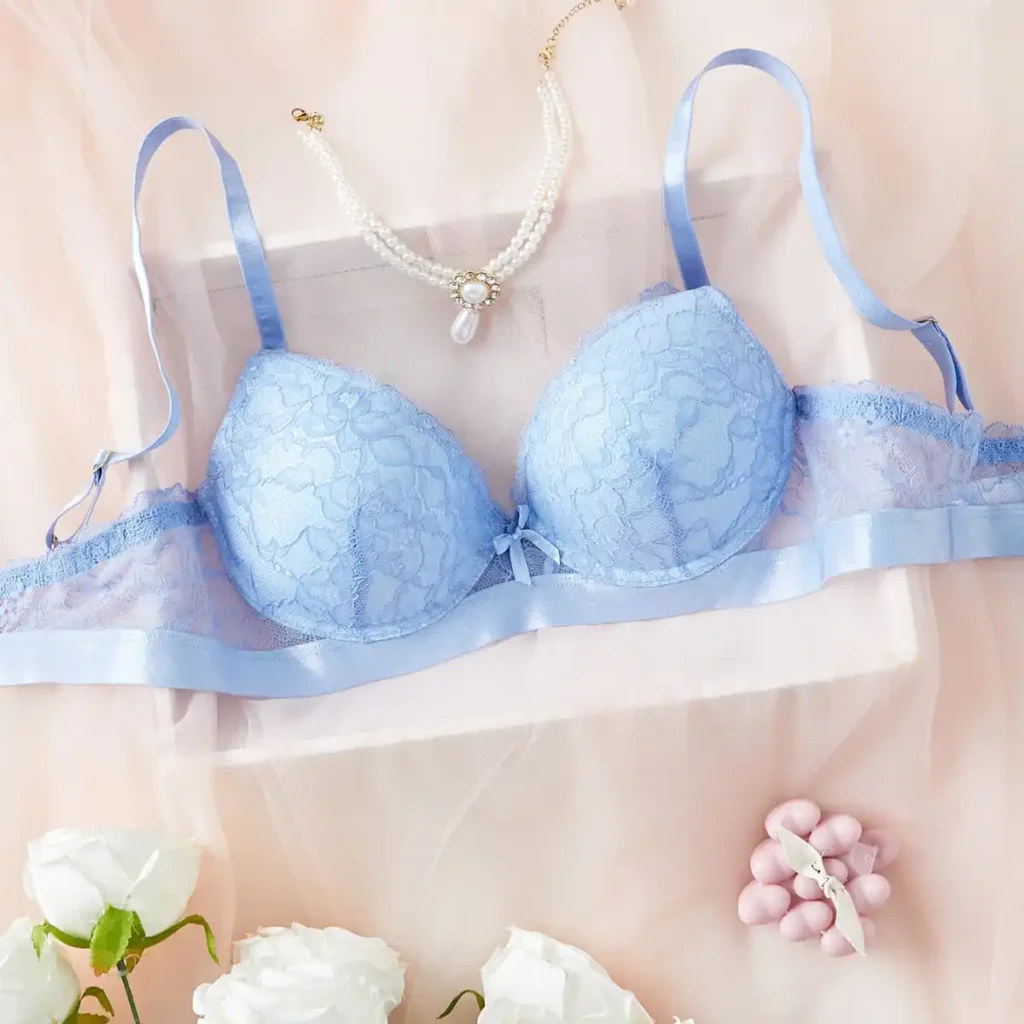
1. Understanding the Two Primary Support Methodologies
When developing sports bras with a custom bra manufacturer, your tech packs must specify the structural method used to achieve support. The industry categorizes sports bra construction into two primary methodologies:
Compression Sports Bras
Compression bras work by pressing the chest firmly against the wall of the body to restrict movement. These are typically pullover-style bras without distinct cups. They are highly efficient for small to medium cup sizes (A to C) and are ideal for low-to-medium impact activities like yoga, weightlifting, or cycling. From a manufacturing standpoint, they require fewer pattern pieces but rely heavily on high-modulus elastic fabrics.
Encapsulation Sports Bras
Encapsulation bras feature individual, structured cups that surround and support each side separately, much like a traditional everyday bra. This style is essential for high-impact activities (like running or HIIT) and provides superior support for larger bust sizes (D cup and above). Manufacturing encapsulation sports bras requires advanced cut-and-sew techniques, internal support slings, and molded cup technologies.
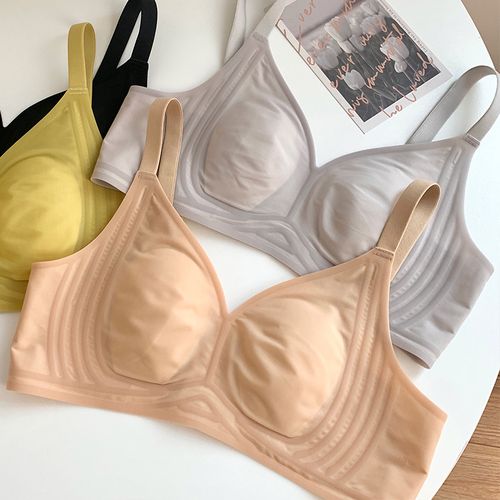
2. Fabric Engineering: Sourcing High-Performance Textiles
The performance of an athletic bra is dictated entirely by its textile composition. Standard cotton or nylon fabrics are inadequate because they retain moisture and lose their elasticity when wet.
Ensure your apparel factory sources premium synthetic blends that feature the following technical properties:
The Power-Mesh Standard: High-impact sports bras rely on an interior layer of Power-Mesh (a heavy-weight nylon-spandex mesh knit). This fabric provides maximum stabilization and ventilation, preventing the chest from shifting vertically during intensive movement.
- High-Gauge Interlock Knits: Look for nylon-spandex or polyester-spandex interlock fabrics with a weight between 250 to 320 GSM. High-gauge knits offer a cool, smooth hand-feel, excellent opacity (preventing sheer areas when stretched), and powerful recovery properties.
- Moisture-Wicking Top Finishes: Ensure the fabrics are treated with hydrophilic finishes that pull sweat away from the skin to the outer surface of the garment, where it can evaporate quickly.
- Four-Way Stretch: The fabric must stretch equally both horizontally and vertically to accommodate natural breathing cycles and athletic body movements without binding or restricting the athlete.
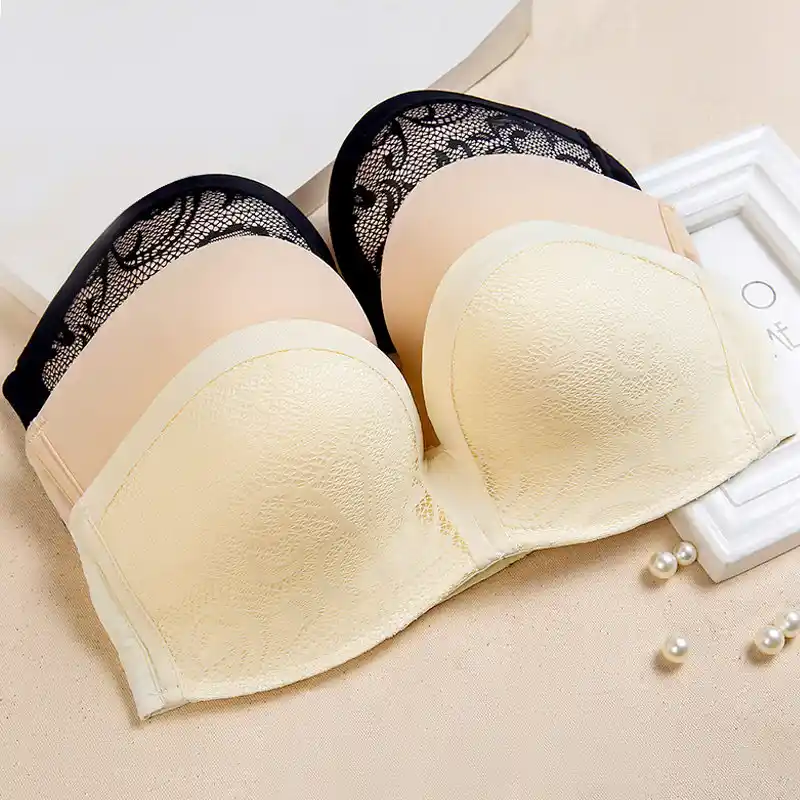
3. Critical Construction Features for Friction Reduction
Because athletic activity involves repetitive motion, minimizing friction is paramount. A single rough seam can cause painful chafing during a long run.
Instruct your lingerie and activewear factory to implement these premium construction techniques:
- Flatlock Seaming: Avoid traditional raised seams. Flatlock machines stitch fabric panels flat against each other, creating a smooth, flush interior surface that eliminates skin friction.
- Bonded Edges: For lightweight sports bras, utilize hot-melt adhesive bonding lines instead of thread stitching on the armholes and necklines to create clean, seamless edges.
- Wide, Ergonomic Shoulder Straps: Straps should be wide enough to distribute weight evenly across the shoulders without digging in. Advanced designs incorporate adjustable hook-and-loop systems or cushioned stabilization layers inside the straps.
- Plush-Backed Chest Bands: The underband provides up to 80% of a bra’s total support. Ensure your factory uses a brushed, plush-backed elastic band that feels incredibly soft against the ribcage while anchoring the garment securely.
4. Technical Comparison: Low-Impact vs. High-Impact Manufacturing
To effectively map out your activewear capsule collection, review the design and manufacturing differences required across performance tiers:
| Feature | Low-Impact Sports Bras (Yoga / Pilates) | High-Impact Sports Bras (Running / Cardio) |
| Primary Fabric Weight | 200 – 240 GSM (Lightweight, soft) | 280 – 340 GSM (Heavyweight, highly compressive) |
| Internal Structure | Removable foam cookies, single-layer body | Encapsulated molded cups, internal power-mesh slings |
| Underband Width | Narrow elastic (2cm – 3cm) | Wide, multi-channeled plush elastic (4cm – 5cm) |
| Closure Style | Pullover, seamless racerback | Adjustable hook-and-eye back closure, molded zipper front |
Conclusion: Elevate Your Line with Technical Precision
Creating a sports bra that balances beauty, comfort, and elite athletic performance requires a deep commitment to technical garment architecture. By partnering with a specialized bra manufacturer who possesses the advanced machinery for flatlock sewing, cup molding, and high-tensile fabric assembly, your brand can confidently deliver products that meet the rigorous demands of modern active lifestyles.
Ready to capture a share of the booming activewear market? Our manufacturing plant specializes in the production of technical athletic apparel and custom sports bra manufacturing. We offer advanced fabric sourcing, expert size grading, and premium quality assurance testing. Contact our development team today to bring your high-performance apparel line to life.
