Sweatpants have undergone an incredible evolution over the past decade. Once relegated to lazy Sundays and gym sessions, they have firmly established themselves as a core staple of mainstream streetwear and premium loungewear capsule collections. Today’s consumers demand sweatpants that deliver an exacting combination of cozy comfort, durable shape retention, and flattering, modern silhouettes.
For a clothing brand looking to enter or scale within this profitable market, your creative vision is only as strong as your supply chain. Finding a reliable sweatpants manufacturer who understands the technical nuances of heavy-weight fleece, circular knitting, and garment construction is the critical factor that determines your retail success.
If you are currently evaluating production facilities to bring your fleece collection to life, here is a comprehensive checklist of what to look for in a manufacturing partner.
1. Deep Expertise in Knit Fabrics and Fabric Weights
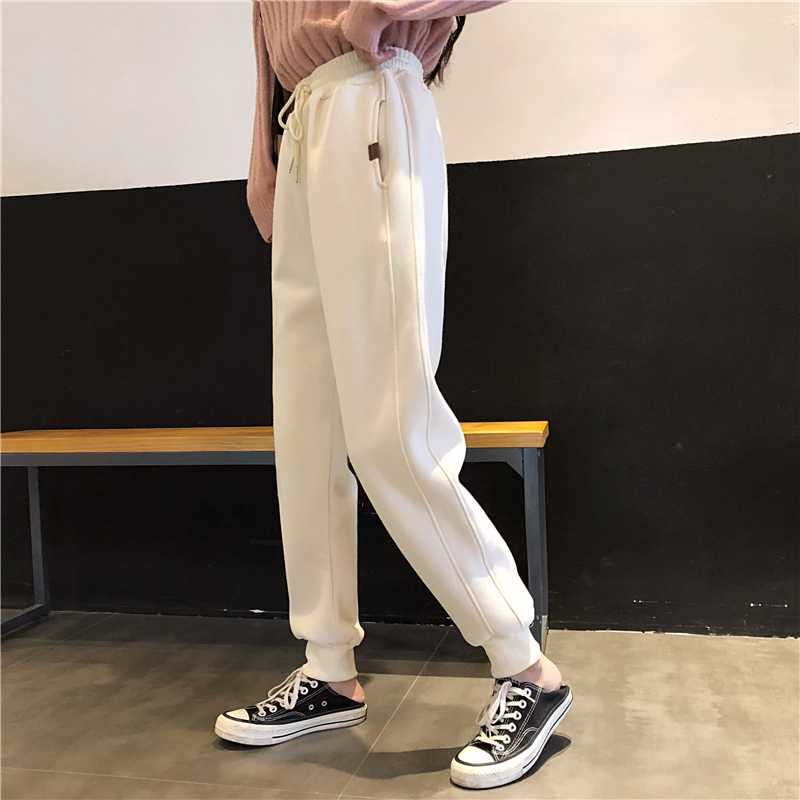
Sweatpants rely heavily on knit textiles, which require different handling, cutting, and sewing techniques compared to rigid woven fabrics like denim. When speaking with potential custom sweatpants manufacturers, your first priority should be auditing their fabric library and textile sourcing relationships.
Pay close attention to these vital fabric metrics:
- Fabric Structure (French Terry vs. Fleece): Ensure the factory can source both French terry (which features tight loops of yarn on the inside, ideal for breathable, year-round mid-weight sweatpants) and brushed fleece (where the loops are brushed to create a plush, fuzzy texture that provides maximum winter warmth).
- Fabric Weight (GSM): Fabric density is measured in Grams per Square Meter. Cheap promotional sweatpants usually fall between 220 to 260 GSM. Standard retail quality requires 300 to 360 GSM. For premium, boxy streetwear styles that hold their shape independently, you will want a specialized factory capable of handling heavy-weight fleece ranging from 400 to 500+ GSM.
- Fiber Composition: Does the factory offer 100% organic cotton, or do they utilize a cotton-polyester blend? Blending a small percentage of polyester into the fleece increases durability, reduces shrinkage, and helps the sweatpants retain their shape around the knees over extended wear.
2. Advanced Waistband and Cuff Construction Machinery
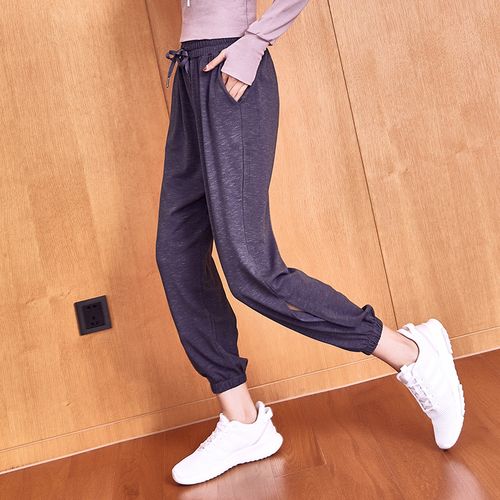
The waistband and ankle cuffs are the high-stress areas of a pair of sweatpants. If a factory uses substandard construction methods here, the garment will lose its elasticity and look worn out after just a few machine washes.
A professional clothing manufacturer should demonstrate mastery over these construction details:
- Multi-Channeled Elastic Waistbands: The waistband should feature thick, high-recovery elastic secured by multi-needle parallel stitching to prevent the elastic from twisting or folding inside the fabric casing.
- Premium Rib-Knit Trims: The cuffs and waistband should utilize a heavy-weight, ribbed fabric (such as a 2×2 lycra-infused cotton rib) to ensure they snap back into shape sharply after being stretched.
- Eyelet and Drawstring Execution: Look closely at how the factory anchors drawstrings. Do they use reinforced stitched buttonholes, or do they have specialized machinery to press heavy-duty metal grommets that won’t tear away from the fabric under tension?
3. High-Quality Customization and Branding Capabilities
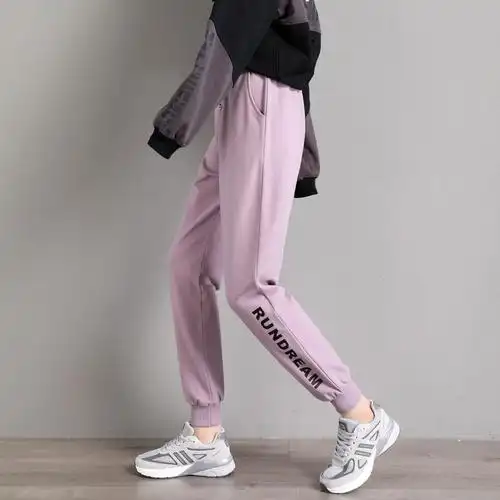
If your independent brand focuses on graphic elements, typography, or minimal luxury embroidery, your factory’s decoration capabilities are just as critical as their sewing lines.
Verify that your apparel factory can execute modern streetwear decoration techniques:
The Decoration Standard: To command premium retail margins, ask if the factory offers puff printing (3D raised ink), high-density silicone printing, or tonal satin stitching embroidery. These high-value accents immediately distinguish your merchandise from basic, low-cost options.
Additionally, inquire about post-production fabric treatments. Advanced factories can perform enzyme washes to eliminate fabric fuzz and create an incredibly soft hand-feel, or garment-dyeing processes to give your sweatpants a highly sought-after, vintage washed aesthetic.
4. Rigorous Shrinkage Control and Fit Consistency
Knit cotton fabrics are naturally prone to shrinking during consumer wash and dry cycles. If a factory cuts patterns from un-relaxed or un-shrunk fabric rolls, your customer might buy a perfectly fitting pair of sweatpants that shrinks up to two sizes after their first laundry cycle.
To protect your brand against high return rates, ensure your fleece clothing factory runs strict shrinkage pre-testing. They should wash and dry fabric samples prior to bulk production to calculate the exact dimensional change, and then adjust their digital cutting patterns accordingly to ensure the final retail product fits perfectly true-to-size.
Conclusion: Partner for Quality, Scale for Success
The sweatpants market offers incredible growth potential for fashion brands that refuse to compromise on comfort and durability. By selecting a manufacturer that specializes in heavy-weight knits, utilizes reinforced construction techniques, and executes rigorous quality control testing, you build an ironclad foundation for a highly profitable clothing line.
Are you ready to create the ultimate pair of cozy, retail-ready sweatpants? Our production facility specializes in world-class sweatpants manufacturing, offering premium heavy fleece sourcing, custom pattern grading, advanced streetwear printing, and meticulous quality assurance. Contact our development team today to discuss your designs and receive a custom manufacturing quote.
