The humble t-shirt is the undisputed foundation of the modern global wardrobe. Whether it is a luxury heavy-weight streetwear tee, a vintage-washed graphic shirt, or a moisture-wicking athletic top, t-shirts represent a multi-billion dollar market with consistent year-round demand. For fashion startups, e-commerce brands, and merchandise creators, a high-quality t-shirt line offers an excellent entry point into the apparel industry.
However, while designing a great t-shirt seems straightforward, executing it at scale requires a dependable partner: a professional t-shirt manufacturer. The factory you partner with dictates your garment quality, production margins, and ultimately, your customer satisfaction.
If you are ready to bring your t-shirt line to life, here is a comprehensive guide on how to evaluate and choose the ideal manufacturing partner.
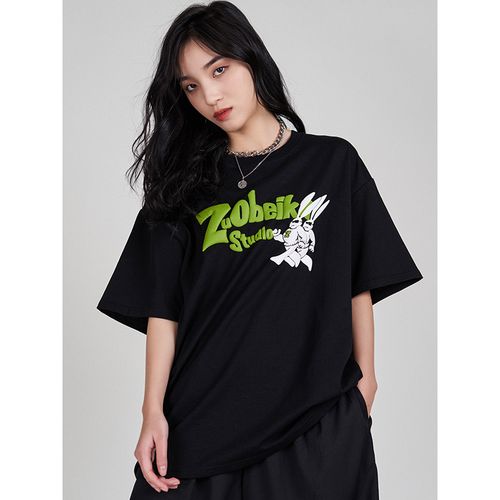
1. Fabric Selection: Beyond 100% Cotton
The texture, drape, and durability of a t-shirt depend entirely on the fabric blend and yarn quality. When vetting potential custom t-shirt manufacturers, look closely at their fabric catalog and sourcing capabilities.
Make sure you understand the key textile specifications before placing an order:
- Combed vs. Carded Cotton: Carded cotton is cheap and feels rougher because short fibers remain in the yarn. Premium brands always demand combed cotton or ring-spun cotton, which undergoes a brushing process to remove impurities, resulting in an ultra-soft, smooth surface ideal for printing.
- Fabric Weight (GSM): T-shirt density is measured in Grams per Square Meter. Lightweight tees (140–160 GSM) are ideal for summer or activewear. Standard retail shirts usually range from 180–200 GSM. If you are launching a premium streetwear brand, you will want heavy-weight fabrics ranging from 240 to 300+ GSM to achieve a boxy, structured silhouette.
- Eco-Friendly Blends: With rising consumer awareness around sustainability, inquire if the factory sources organic cotton (GOTS-certified), recycled polyester, or breathable bamboo viscose.
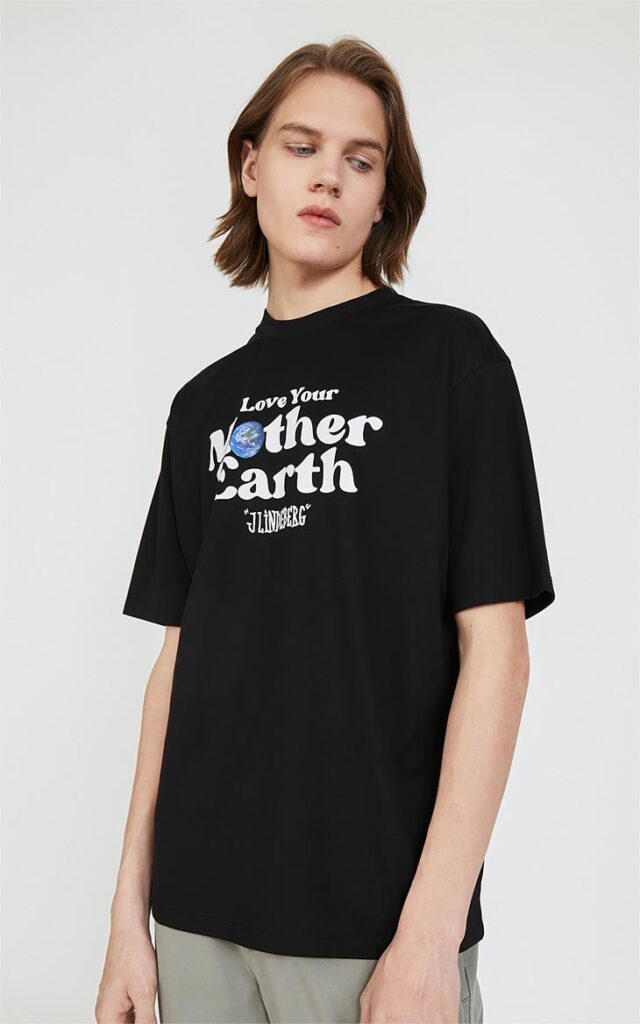
2. Evaluate Printing and Customization Capabilities
If your brand relies on graphic designs, typography, or heavy branding, your manufacturer’s printing capabilities are just as critical as their sewing lines. A professional clothing factory should offer a variety of printing decoration methods:
Screen Printing (Plastisol vs. Water-Based Inks)
The industry standard for bulk production. Plastisol ink offers bright, vibrant colors and high durability but can feel thick on the chest. Water-based screen printing sinks into the fabric fibers, creating an incredibly soft, breathable “zero-feel” print that premium brands prefer.
Direct-to-Garment (DTG)
Ideal for small-batch runs or designs with highly intricate, multi-colored details and photographic elements. While DTG has higher per-unit costs, it requires virtually no setup time compared to screen printing screens.
Custom Embroidery and Puff Print
To elevate a basic t-shirt into a high-end streetwear garment, ask if the factory specializes in 3D puff embroidery, high-density silicone printing, or appliqué techniques that add a distinct, tactile texture to the fabric.
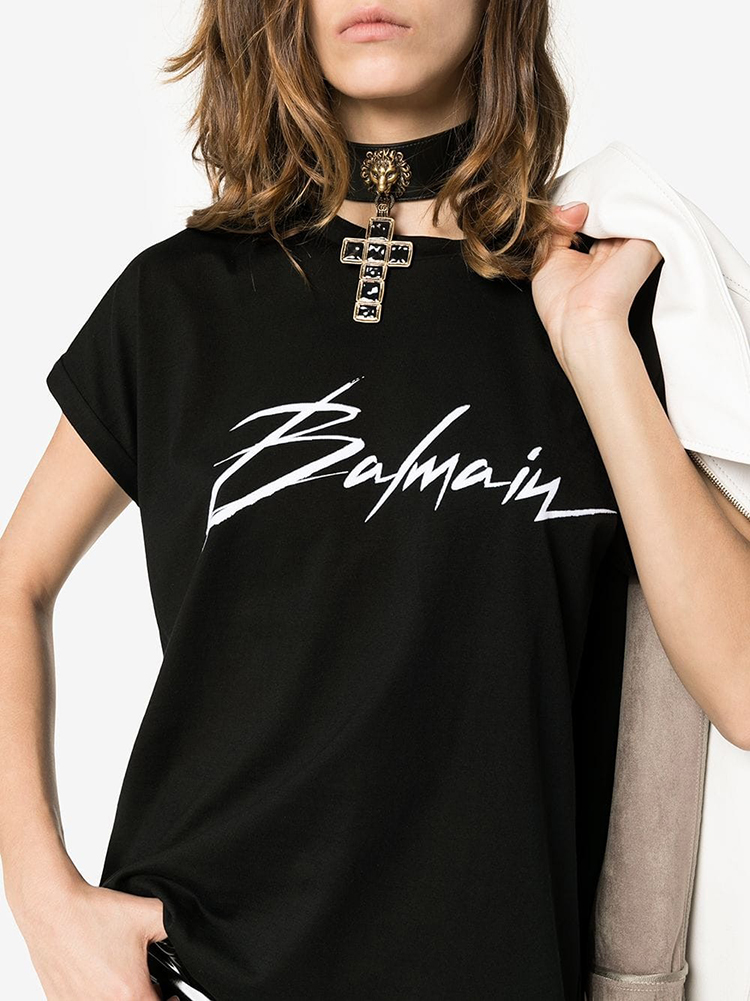
3. Demanding Technical Construction Excellence
A premium t-shirt should maintain its structural integrity and shape after dozens of machine wash cycles. When reviewing physical prototypes from a potential t-shirt clothing manufacturer, closely inspect these technical construction points:
The Neckline Test: The neckline is the first area to stretch out on a poorly made shirt. Ensure the factory uses a high-density rib-knit collar (preferably with 5% spandex/elastane) and executes shoulder-to-shoulder neck taping to anchor the seam securely.
- Side-Seam vs. Tubular Construction: Tubular t-shirts are made from a continuous cylinder of fabric, meaning they have no side seams. They are highly cost-effective but offer less tailoring. Side-seamed t-shirts require more cutting and sewing labor but provide a much more flattering, retail-standard fit.
- Stitching Types: Look for twin-needle topstitching on the sleeve hems and bottom hemline. This prevents the seams from unravelling or fraying under tension.
4. Understanding Minimum Order Quantities (MOQs) and Scaling
Before signing a production contract, align your financial budget with the factory’s operational limits.
Use the quick-reference matrix below to categorize potential factory partners based on your brand’s current growth stage:
| Factory Type | Average MOQ | Target Audience | Primary Advantage |
| Small-Batch / Agile Factory | 50 – 100 units per style | Startups, niche releases, test collections | Low financial risk, rapid market testing |
| Mid-Tier Commercial Factory | 300 – 500 units per style | Scaling e-commerce brands, corporate merch | Balanced pricing, access to custom fabric dyeing |
| Mass-Production Facility | 1,000+ units per style | Established global retailers, high-volume brands | Lowest possible cost-per-unit, fully automated QC |
Conclusion: Establish a Foundation for Growth
Your t-shirt line is only as reliable as the factory that produces it. By prioritizing combed cotton, verifying advanced printing techniques, and strictly auditing construction details during the sampling phase, you ensure your independent brand delivers a premium product that keeps customers coming back for more.
Are you ready to launch or scale your t-shirt collection? Our facility specializes in world-class t-shirt manufacturing, offering premium fabric sourcing, advanced screen printing, custom embroidery, and meticulous quality control. Contact our production experts today to discuss your designs and receive a custom manufacturing quote.
