The global sportswear and activewear market has experienced an incredible evolution. Performance wear is no longer confined strictly to the gym or athletic fields; it has completely integrated into daily fashion through the athleisure movement. Modern consumers demand sportswear that achieves a strict balance: it must offer cutting-edge functional technology—such as moisture-wicking, thermal regulation, and high elasticity—while maintaining a sleek, modern aesthetic.
For an apparel brand looking to launch or scale a performance collection, your choice of a sportswear manufacturer is the single most critical factor in your business model. Unlike standard fashion garments, athletic clothing is subjected to intense physical stress, extreme motion, and heavy perspiration. Your production partner must possess specialized technical expertise and machinery to meet these rigorous demands.
Here is an industry guide on how to evaluate and choose the ideal activewear manufacturing partner for your clothing brand.
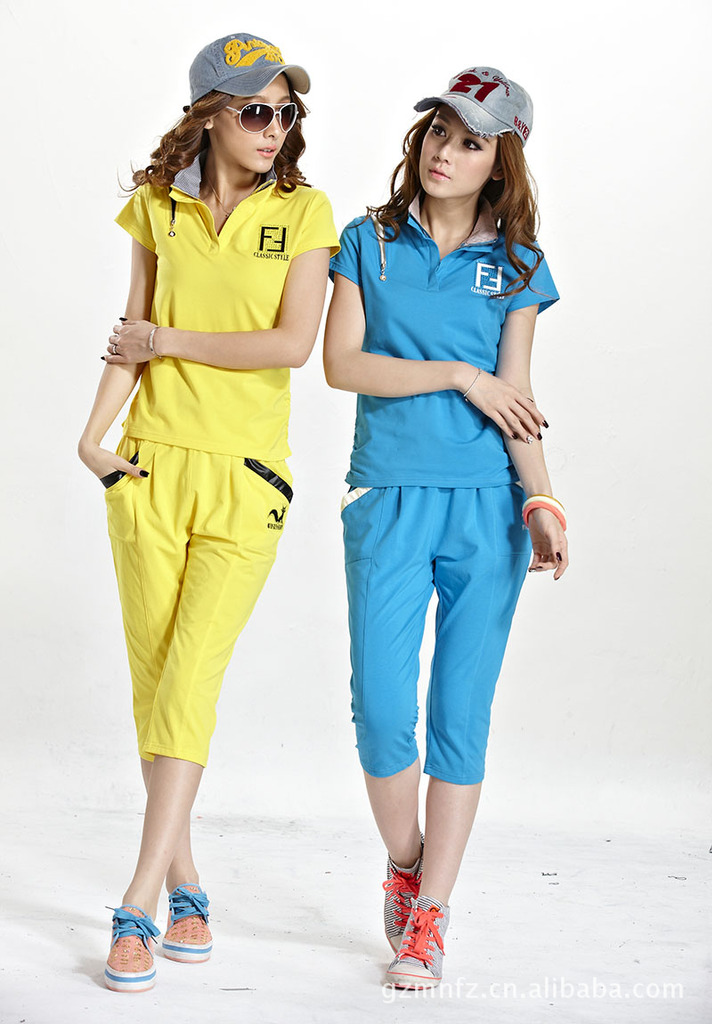
1. Audit Technical Fabric Sourcing and Fabric Weights
The foundation of high-quality activewear is advanced textile engineering. If a factory only has access to standard fashion cottons or low-grade polyesters, they cannot build true performance garments. When vetting potential custom sportswear manufacturers, prioritize factories with strong relationships with technical textile mills.
Ensure your partner can source and handle these essential performance materials:
- Nylon-Spandex Blends: The premium choice for high-performance compression leggings, sports bras, and athletic tops. Nylon offers superior abrasion resistance and a cool, luxurious hand-feel compared to polyester, while spandex provides necessary elasticity.
- Recycled Performance Synthetics: With rising global consumer demand for sustainability, verify if the factory sources certified eco-friendly materials such as REPREVE® (polyester made from recycled plastic bottles) or recycled nylon.
- Fabric Weights (GSM): Fabric density is crucial for functionality. Lightweight shirts and running tops require 130–160 GSM for maximum breathability. Performance leggings and sports bras demand high-gauge, interlock knits between 260 to 320 GSM to ensure they are fully squat-proof and opaque when stretched.
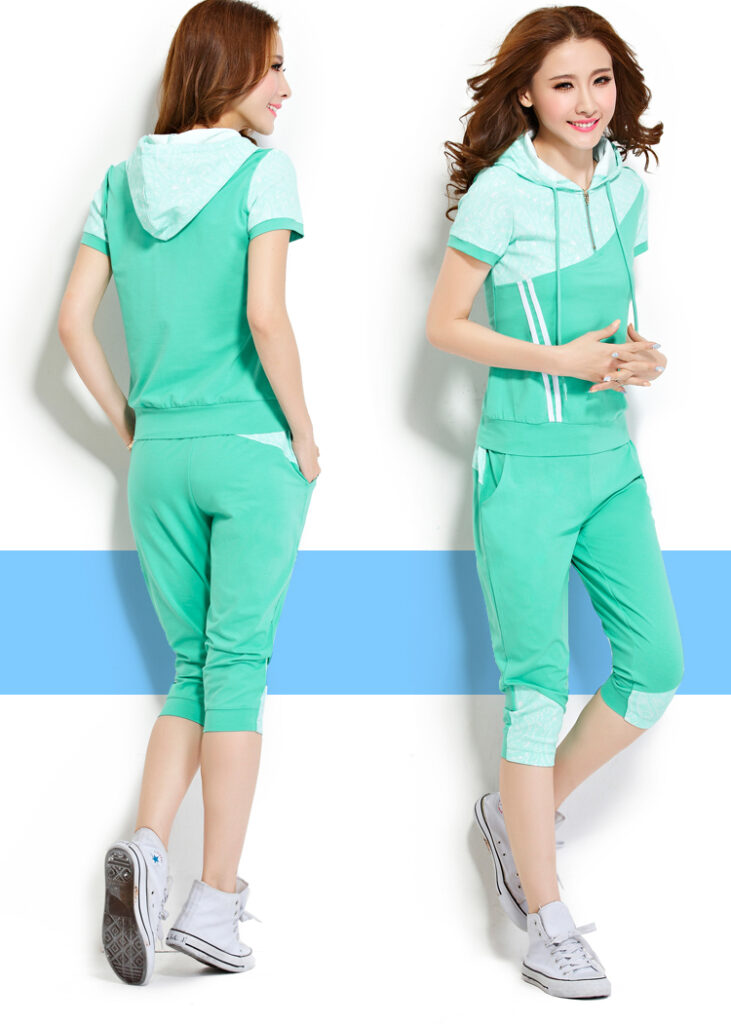
2. Evaluate Advanced Structural Construction Machinery
Sportswear cannot be assembled using standard apparel sewing machines. Because athletes stretch, jump, and run, the seams of activewear must be stronger than the fabric itself. When reviewing samples from a sportswear clothing factory, closely inspect their construction machinery:
Flatlock Stitching (Four-Needle Six-Thread)
This is the gold standard for compression wear and athletic leggings. Flatlock machines join two fabric panels flat against each other without an interior seam allowance fold. This creates a completely flush, smooth seam that eliminates skin chafing during repetitive athletic movements and offers maximum seam strength.
Seamless Knitting Technology
Seamless sportswear is manufactured using specialized circular knitting machines that produce a continuous tube of fabric, eliminating side seams entirely. This technology reduces fabric wastage, offers targeted ventilation zones engineered directly into the knit, and provides a highly sought-after, glove-like fit.
Ultrasonic Fabric Bonding
For lightweight running jackets or elite performance tops, ask if the factory utilizes hot-melt adhesive bonding lines instead of traditional threads. Bonded seams create an entirely weightless, hydrodynamic, and smooth finish.
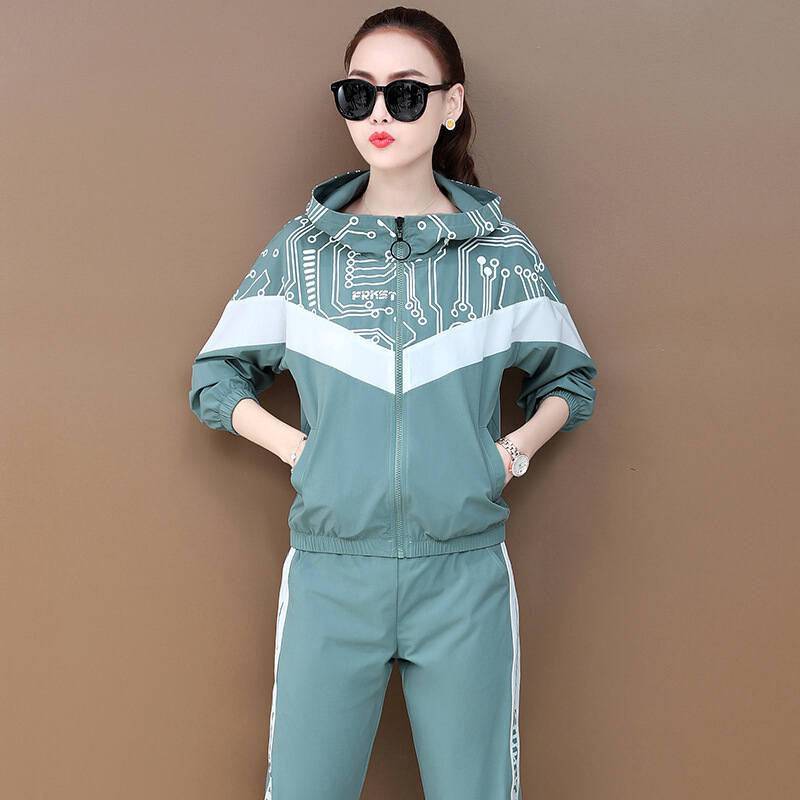
3. Verify Technical Performance Finishes
High-end sportswear often relies on specialized chemical or physical treatments applied to the fabric to enhance performance. Discuss these optional fabric finishes with your clothing manufacturer:
The Performance Checklist: To position your brand in the premium retail space, ensure your factory can apply moisture-wicking treatments (which pull sweat away from the skin to the fabric surface for rapid evaporation), antimicrobial/anti-odor silver ion finishes, and UPF 50+ ultraviolet protection for outdoor training gear.
4. Understanding Operational Scale and Minimum Order Quantities
Activewear manufacturing requires custom-made synthetic yarn blends and specialized machinery setups, which naturally translates to higher Minimum Order Quantities (MOQs) than basic streetwear production.
Review the operational matrix below to see how different factory types align with your scaling goals:
| Factory Type | Average MOQ Requirements | Primary Advantage | Best Suited For |
| Agile Small-Batch Studio | 100 – 200 units per style | Low initial capital risk, quick sample turnaround | Startups and niche fitness labels |
| Mid-Tier Commercial Factory | 500 – 1,000 units per style | Access to custom fabric dyeing and specialized flatlock lines | Scaling e-commerce and fitness brands |
| Mass-Production Conglomerate | 3,000+ units per style | Lowest possible per-unit cost, fully automated quality assurance | Established international retailers |
Conclusion: Partner for Long-Term Athletic Excellence
Succeeding in the highly competitive activewear market requires moving beyond simple graphic designs and focusing heavily on technical garment architecture. By selecting a specialized sportswear manufacturer who offers advanced fabric engineering, certified skin-safe materials, and flawless flatlock or seamless construction, you secure a high-performance product line that builds genuine customer trust and loyalty.
Are you ready to design an athletic collection that perfectly combines style, comfort, and elite performance? Our state-of-the-art facility specializes in turnkey sportswear manufacturing, offering advanced fabric sourcing, technical pattern grading, seamless or flatlock construction, and rigorous quality control. Contact our production experts today to discuss your designs and receive a custom manufacturing quote.
