
In the intimate apparel industry, moving a design from a creative sketch to a retail-ready garment is a highly technical process. Underwear must fit like a second skin, meaning there is zero margin for error. A minor measurement mistake or an improperly placed seam can cause immediate discomfort, leading to high return rates and poor customer reviews. If you approach a production facility with only a basic drawing or an inspirational photo, the factory floor is forced to make assumptions about critical details.
To protect your manufacturing investment and achieve absolute precision, you must build a comprehensive Tech Pack.
A tech pack functions as the definitive architectural blueprint for your apparel line. It translates your aesthetic concepts into a clear, data-driven technical language that pattern makers, fabric cutters, and engineers can execute exactly.
When partnering with a professional underwear manufacturer, an airtight tech pack eliminates confusion, accelerates your timeline, and guarantees a high-performing final product. Here is a step-by-step guide to building an industry-standard underwear tech pack.
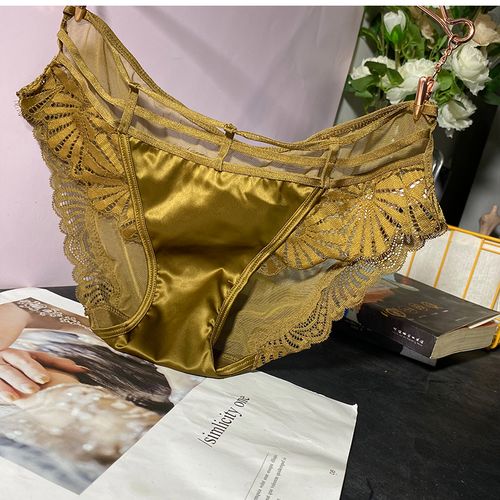
1. Technical Flat Sketches and Design Annotations
The initial sheet of your underwear tech pack serves as the master overview for the assembly line. It organizes essential tracking data, such as your brand name, style code (SKU), garment name, creation date, and a modification log to record pattern changes throughout the sample evaluation lifecycle.
The visual focus of this section relies on Technical Flat Sketches:
- Create clean, black-and-white vector drawings (typically executed using Adobe Illustrator) showing the exact front, back, and side views of the garment.
- Do not provide artistic fashion illustrations with stylized bodily proportions. The drawings must be purely flat, geometric, and perfectly proportional.
- Use callout lines and zoom-in windows to annotate specialized design details, such as the exact placement of reinforcement stitching, flatlock seam paths, or heat-transfer label positioning.
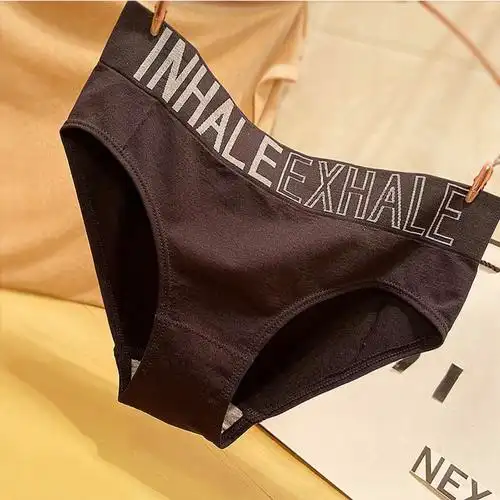
2. The Underwear Bill of Materials (BOM)
The Bill of Materials is a comprehensive, line-item inventory listing every physical component required to construct a single unit of your garment. If an item is omitted from this matrix, your custom underwear manufacturer will either pause assembly or use standard factory stock components that may fail to match your brand’s quality requirements.
Your underwear BOM must be organized into a scannable table format:
| Component Category | Technical Specifications | Placement & Application |
| Primary Fabric | 180 GSM 95% MicroModal / 5% Spandex Interlock Knit | Main body panels |
| Gusset Lining | 160 GSM 100% Organic Combed Cotton Knit | Interior crotch panel for maximum breathability |
| Waistband Elastic | 3.5cm plush-backed woven jacquard elastic | Main waist anchoring |
| Thread | Textured bulk polyester stretch thread (high-tensile) | Used across all structural stretch seams |
| Branding Labels | Tagless, heat-transfer silicone labels | Center interior back waist panel |
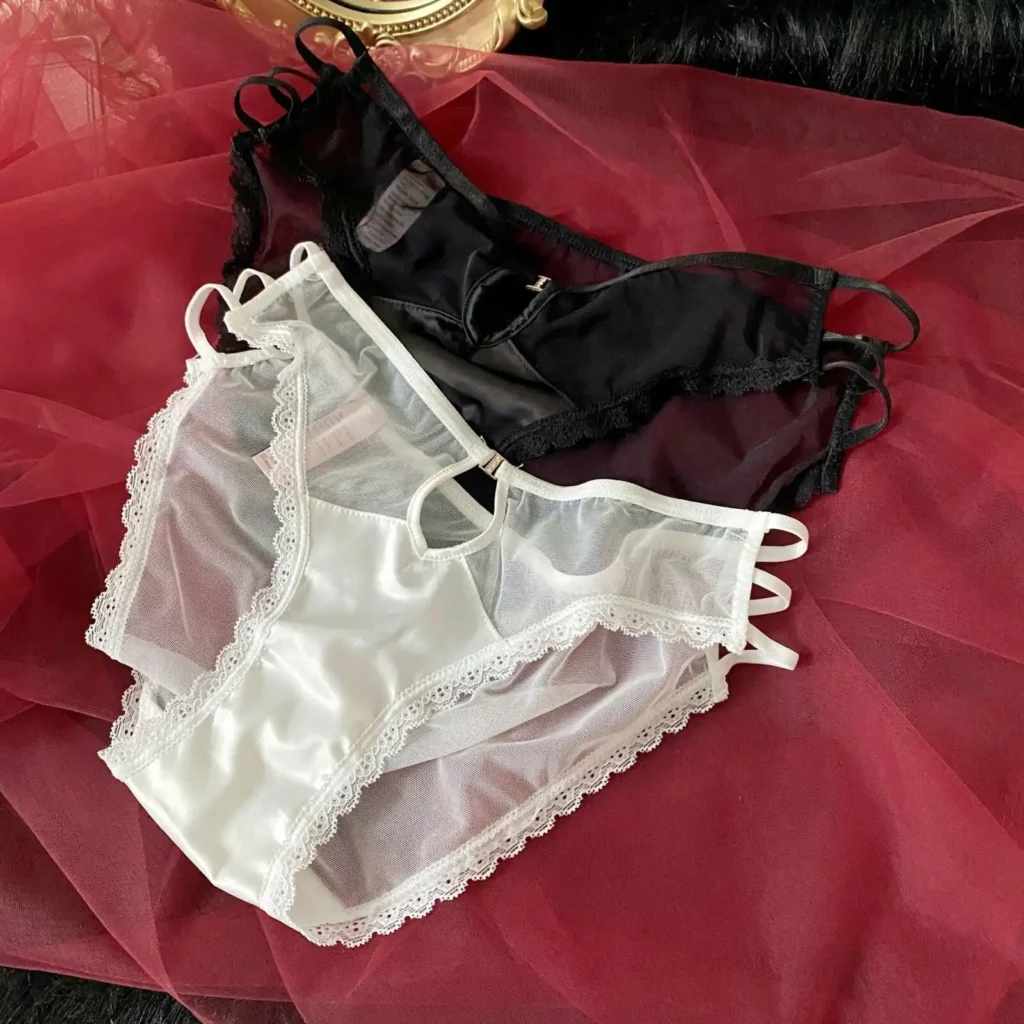
3. Stitching Specs and Seam Engineering
Because intimate apparel expands and contracts dynamically during daily movement, standard lockstitching will pop immediately under tension. Your tech pack must dictate specialized seam configurations and precise machine adjustments to completely eliminate friction against the skin.
- Frictionless Seam Selections: Specify the use of four-needle, six-thread flatlock stitching to create flush, chafe-free seams where fabric panels meet. For leg openings, dictate a plush-backed elastic binding combined with a parallel zig-zag or cover-stitch to allow the edges to expand fluidly.
- Stitches Per Inch (SPI): For delicate knit fabrics, maintain a strict factory standard of 10 to 12 SPI. If the stitches are too loose, the seams will gap; if they are packed too densely, the needle can puncture and slice the fabric fibers, leading to fraying.
- Bar-Tack Enforcement: Explicitly map out where dense, heavy-duty reinforcement bar-tacks are required, particularly at the joints where the waistband elastic meets and at the high-stress corners of the gusset panel.
4. Point of Measure (POM) and Sizing Tolerances
The measurement spec sheet is the mathematical backbone of your garment engineering. It controls how your underwear wraps around various body contours. First, establish your base sample size (such as a Medium) and document exact dimensions for every critical Point of Measure, including:
- Relaxed vs. Extended Circumference: Absolutely crucial for the waistband and leg cutouts to ensure the garment can be pulled on easily while retaining snug, comfortable tension when worn.
- Front and Back Rise: Controlling the vertical fit and ensuring the waistband rests exactly where intended (low-rise, mid-rise, or high-rise formats).
- Gusset Width and Length: Ensuring proper anatomical coverage and comfort.
Next, define your Sizing Tolerances—the minor margin of error permitted before a finished garment is flagged as defective during quality control. Because soft knit fabrics contract and expand rapidly based on room temperature and cutting tension, a tight tolerance standard of +/- 0.25 inches (or 0.6 cm) is the typical rule of thumb across professional intimate apparel factories.
Conclusion: Take Control of Your Production Floor
Investing the time and technical precision required to construct an airtight tech pack completely redefines your relationship with your production facility. It shifts the dynamic from subjective guessing to objective execution. By providing your underwear clothing manufacturer with an absolute blueprint, you secure consistent sizing across production batches, eliminate sample waste, and guarantee a premium final product that commands exceptional retail margins.
Are you ready to translate your creative concepts into a global commercial success? Our advanced manufacturing plant specializes in world-class intimate apparel, utilizing your technical tech packs to execute flawless bulk underwear production runs. If you need assistance transforming your initial design files into factory-ready technical specifications, our in-house engineering team is here to guide you. Contact our production team today to request a custom manufacturing quote.
