
In the activewear industry, there is a fundamental rule that separates successful commercial clothing lines from struggling startups: an apparel factory can only build exactly what you communicate on paper. While creative mood boards, color palettes, and stylistic sketches are excellent for brainstorming, they cannot guide a technical sewing assembly line. To transform an athletic design concept into a perfectly fitted, high-performance garment, you must provide your factory with a comprehensive Tech Pack.
Think of a tech pack as the definitive architectural blueprint for your activewear line. It translates your creative vision into a strict, data-driven technical language that pattern makers, fabric cutters, and engineers execute with precision.
When partnering with sportswear manufacturers, a flawless tech pack reduces the risk of production errors, eliminates unnecessary sampling rounds, and ensures that your final retail product holds up under extreme physical stress. Here is how to build an industry-standard sportswear tech pack.
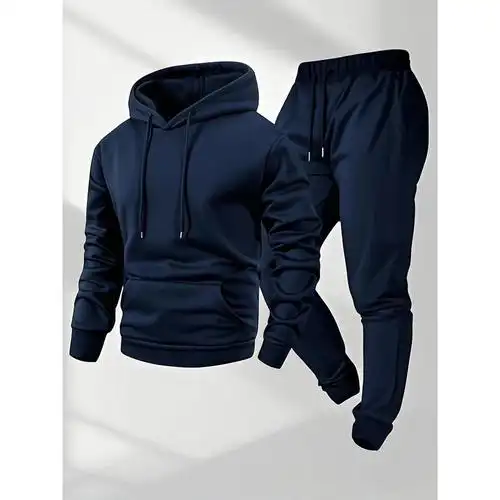
1. Technical Flat Sketches and Performance Callouts
The first page of your tech pack serves as the master title sheet for the production floor. It includes crucial style data such as your brand name, style number (SKU), garment name, the current date, and a modification log to track any adjustments made during the development lifecycle.
The visual heart of this section is the Technical Flat Sketch:
- Provide clean, black-and-white vector illustrations (typically created using Adobe Illustrator) showing the exact front, back, and side profiles of the garment.
- Do not use artistic fashion illustrations with stylized figures or motion lines. The drawings must be purely flat, geometric, and perfectly proportional.
- Use detailed zoom-in callouts to show specific internal construction details, such as the placement of an interior key pocket in a waistband or hidden headphone cord loops on an athletic jacket.
2. The Sportswear Bill of Materials (BOM)
The Bill of Materials is a comprehensive, line-item inventory listing every single physical component required to manufacture one unit of your activewear garment. If an item is missing from this sheet, your custom sportswear manufacturer will either pause production or use default components that may not match your required performance specifications.
A standard sportswear BOM must be meticulously structured in a table format:
| Component Category | Technical Specifications | Placement & Application |
| Primary Fabric | 280 GSM 78% Nylon / 22% Spandex Interlock | Main body panels of performance leggings |
| Secondary Fabric | 180 GSM Power-Mesh (Nylon/Spandex) | Interior structural support & ventilation panels |
| Thread | High-tensile, textured polyester stretch thread | For all structural flatlock and overlock lines |
| Elastic | 4cm high-recovery woven microfiber elastic | Encased inside the high-rise waistband |
| Branding Labels | Heat-transfer, tagless reflective vinyl ink | Center interior back neck / upper exterior hip |
| Trims & Closures | Semi-autolock nylon coil zipper (YKK) | Used for secure rear waistband pocket closure |
3. Stitching, Seam Engineering, and Construction Details
Because athletes stretch, flex, and perspire, the construction methods of sportswear must be incredibly strong and friction-free. Your tech pack must clearly dictate the exact sewing machine tracking required for every seam line.
- Flatlock Seams (ISO 607): Explicitly call out where flatlock stitching (four-needle, six-thread configuration) must be used, particularly on high-friction areas like the inner thighs of leggings or the armpits of compression shirts. This ensures the seams lay perfectly flush against the skin, eliminating chafing.
- SPI (Stitches Per Inch): Specify the exact stitch density. For high-stretch activewear, an industry standard of 10 to 12 SPI is typically required. If the stitches are too far apart, the seams will gap when stretched; if they are too close together, they can cut the synthetic yarn fibers.
- Reinforcement Bar-Tacks: Indicate where dense, heavy-duty reinforcement stitches are needed, such as the ends of zipper tracks, pocket openings, or strap attachment joints.
4. Point of Measure (POM) and Sizing Tolerances
The measurement spec sheet is the mathematical backbone of your garment engineering. It dictates exactly how the activewear will contour to the human body. First, you must outline your base sample size (e.g., a Women’s size Small or Men’s size Medium) and list precise measurements for every critical Point of Measure, including:
- Relaxed vs. Extended Circumference: Crucial for waistbands, chest bands, and armholes to ensure the garment can be easily put on while maintaining compression when worn.
- Stretched Recovery Rates: Specifying how quickly the fabric must snap back to its original dimensions after being pulled to maximum capacity.
Next, establish your Sizing Tolerances—the acceptable margin of error allowed before a garment is flagged as defective. Because stretch synthetics contract and expand easily based on room temperature and cutting tension, a strict standard tolerance of +/- 0.25 to 0.5 inches (or 0.6 to 1.2 cm) is standard across professional activewear factories.
Conclusion: Eliminate Guesswork to Protect Your Margins
Developing a technical, detailed tech pack requires precision and an understanding of textile science, but it is the absolute best insurance policy your fashion brand can have. It removes subjective interpretation from the assembly line, putting absolute control back in your hands. By delivering a clear blueprint to your sportswear clothing factory, you secure exact fit consistency, dramatically reduce your fabric waste, and guarantee a premium final product.
Are you ready to transform your athletic concepts into market-leading activewear? Our advanced manufacturing facility operates with absolute technical precision, utilizing your tech packs to execute flawless bulk production runs. If you need assistance translating your initial concepts into a factory-ready specification sheet, our in-house engineering team is here to help. Contact us today to explore our comprehensive sportswear development and manufacturing services.
