In the global fashion ecosystem, luxury is defined far beyond a high retail price tag or a prestigious brand logo. True luxury is an experiential promise. It is found in the weight of a premium silk drape, the flawless alignment of a complex pattern across a seam, the durability of hand-finished stitching, and the exclusivity of the textiles used. For designer labels and high-end fashion brands, translating creative genius into a physical garment requires an uncompromising partner: an elite luxury clothing manufacturer.
Unlike mass-market or fast-fashion production facilities—which prioritize high speed and low cost—a luxury apparel factory operates on the principles of artisanal craftsmanship, meticulous technical precision, and absolute quality assurance.
If you are preparing to launch or scale a high-end collection, here is a strategic guide on how to evaluate and select the perfect luxury manufacturing partner.
1. Uncompromising Textile Sourcing and Material Exclusivity
The lifecycle of any luxury garment begins with raw materials. Mass-market manufacturers rely on standard, commercially available synthetic blends. In contrast, a premier luxury apparel manufacturer maintains exclusive relationships with heritage textile mills, historic tanneries, and sustainable silk or wool farms across regions like Italy, France, and Japan.
When auditing potential production partners, evaluate their capacity to source and handle elite textiles:
- Long-Staple Natural Fibers: Sourcing ultra-premium materials such as Mongolian cashmere, Egyptian Giza cotton, Mulberry silk, and extra-fine Merino wool.
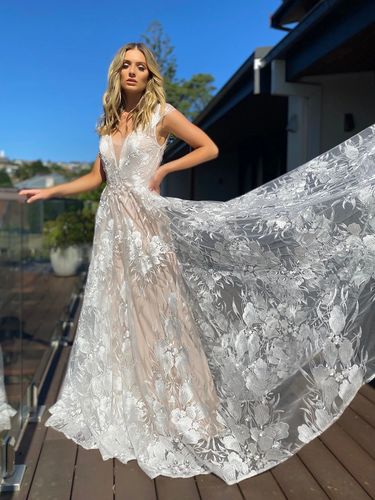
- Deadstock and Exclusive Weaves: The ability to secure limited-run, custom-woven jacquards, high-definition French laces, or custom-dyed organic textiles that prevent your competitors from replicating your fabric texture.
- Sourcing Transparency: Luxury consumers increasingly demand accountability. Your manufacturer should provide full traceability certificates (such as GOTS, Responsible Wool Standard, or silk certifications) proving the ethical origin of every yarn.
2. Master Fine Tailoring and Technical Construction
A basic sewing line cannot execute luxury specifications. High-end garments require highly skilled sample makers and tailors who treat garment assembly as an art form. When reviewing physical prototypes from a luxury factory, analyze these technical indicators of superior craftsmanship:
Hand-Finishing and Special Construction
Look for advanced tailoring techniques such as French seams (which completely enclose raw fabric edges inside a clean, double-stitched fold), hand-rolled hems on silk scarves or dresses, and hand-bound buttonholes. These elements elevate the interior of the garment to be just as beautiful as the exterior.
Symmetrical Pattern Matching
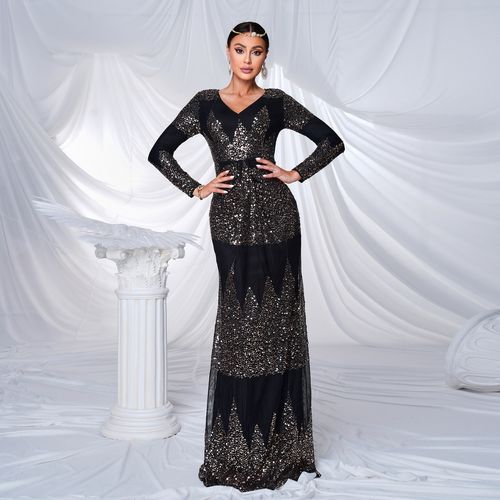
If your collection features complex prints, plaids, stripes, or continuous lace motifs, a luxury clothing manufacturer will meticulously cut the fabric panels so that the patterns align seamlessly across side seams, pockets, and center-front closures. This process requires significant fabric yield and precise cutting labor, which is a hallmark of high-end production.
Fully Fashioned and Tailored Knitwear
For luxury knitwear lines, the factory should utilize fully fashioned knitting techniques—where individual panels are knit to the exact shape of the pattern rather than cut from a large fabric sheet—resulting in zero waste, structurally superior seams, and a flawless contour.
3. High-Value Hardware and Embellishment Capabilities
The hardware on a luxury garment acts as its jewelry. Substandard zippers, flimsy buttons, or mass-produced snaps will instantly devalue an otherwise perfect garment.
Ensure your custom clothing factory can source and integrate elite trim packages:
The Luxury Detail Standard: A premium manufacturer should offer custom-stamped genuine mother-of-pearl, horn, or corozo nut buttons. All metal hardware—such as heavy-duty brass zippers, custom pulls, and rivets—should feature smooth, polished edges and specialized anti-tarnish plating to resist oxidation over time.
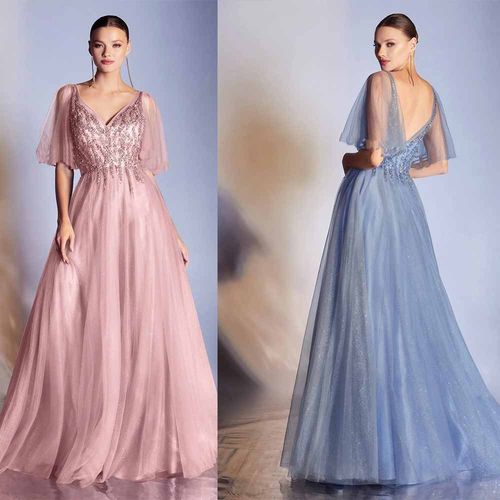
Furthermore, if your brand incorporates haute couture elements, verify the factory’s capabilities in delicate hand-embroidery, intricate beadwork, custom pleating, and high-density fabric manipulation.
4. Operational Metrics: Low-Volume Agility and White-Glove QC
Luxury manufacturing operates on an entirely different operational model than mass production. Because exclusivity is a core driver of luxury value, production runs are kept strictly limited.
Review the operational profile below to understand the technical standards of an elite artisan facility:
| Operational Metric | Standard Mass Factory | Premium Luxury Clothing Manufacturer |
| Minimum Order Quantities | 1,000+ units per style | Highly flexible (e.g., 50–100 units per style) |
| Inspection Protocol | Statistical random sampling (AQL) | 100% manual piece-by-piece inspection |
| Stitches Per Inch (SPI) | 7 – 9 SPI (Standard durability) | 12 – 14+ SPI (Ultra-fine, high-tensile seams) |
| Pattern Development | Generic digital grading scales | Customized draped patterns on physical fit models |
The final quality control stage in a luxury facility is exhaustive. Every single garment is hand-inspected under high-intensity lighting, pressed to exact boutique standards, and packed in specialized protective garments bags or rigid presentation boxes to ensure pristine arrival.
Conclusion: Protect Your Brand’s Premium Promise
In the high-end market, your reputation relies entirely on the execution on the factory floor. By partnering with a specialized luxury clothing manufacturer that honors artisanal heritage, handles delicate textiles with mastery, and implements meticulous 100% quality assurance, you can confidently command premium retail margins and build a timeless legacy brand.
Are you ready to elevate your collection to the absolute pinnacle of fashion craftsmanship? Our elite production facility specializes in turnkey luxury apparel manufacturing, offering world-class fabric sourcing, heritage tailoring techniques, custom hardware development, and uncompromising quality control. Contact our private client production team today to schedule an executive design consultation.
