The luxury fashion landscape is undergoing a profound cultural shift. Historically, the elite consumer prioritized aesthetics, exclusivity, and brand heritage above all else. Today, however, a new definition of luxury has emerged—one where true prestige is measured not just by the final look of a garment, but by the integrity of its entire lifecycle. Modern luxury consumers demand absolute transparency, ethical labor practices, and deep environmental responsibility.
For high-end designers and premium labels, this shift presents a unique manufacturing challenge. You must reduce your environmental footprint without compromising the flawless drape, ultra-premium hand-feel, and generational durability that defines luxury apparel.
Achieving this standard requires moving away from conventional supply chains and partnering with an advanced luxury clothing manufacturer that specializes in sustainable engineering. Here is a guide to navigating eco-conscious production in the high-end apparel space.
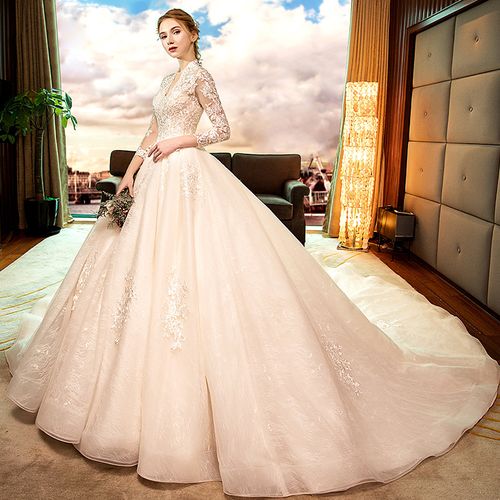
1. Sourcing Elite, Certified Sustainable Textiles
In mass-market apparel production, sustainability often involves swapping virgin polyester for recycled alternatives. In the high-end designer space, sustainable sourcing requires a return to pure, traceably managed natural fibers that offer an unmatched sensory experience.
Work with your luxury apparel manufacturer to source certified, eco-conscious fabrics that elevate your collection:
- Organic and Regenerative Silks: Conventional silk production can be resource-intensive. Opt for organic Mulberry silk or Peace Silk (Ahimsa silk), which allows the silkworm to complete its natural lifecycle.
- Traceable Heritage Wools: Source extra-fine Merino wool and cashmere that carry the Responsible Wool Standard (RWS) or The Good Cashmere Standard®. These certifications guarantee strict animal welfare, sustainable land management, and fair working conditions for herders.
- Cellulosic Innovations: Introduce premium plant-based fabrics such as TENCEL™ Luxe, a luxury filament yarn made from sustainably sourced wood pulp that serves as a magnificent, biodegradable alternative to traditional silk crepes and satins.
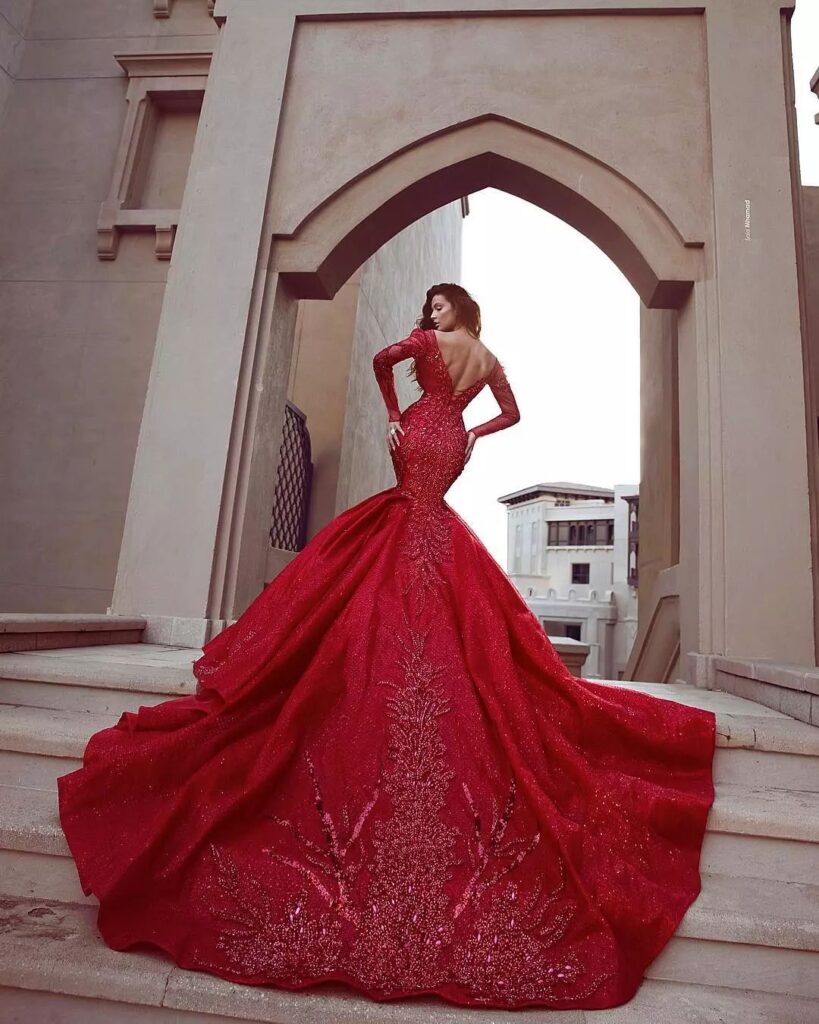
2. Implementing Zero-Waste Tailoring and Artisanal Construction
Mass production is structurally wasteful, frequently leaving up to 15% to 20% of premium fabric on the cutting room floor as scrap. A premier custom clothing factory mitigates this by fusing modern pattern engineering with traditional artisanal cutting layouts.
Fully Fashioned Luxury Knitwear
When manufacturing high-end knitwear (such as premium knit dresses, blazers, or cardigans), instruct your factory to utilize fully fashioned knitting machines. Instead of cutting shapes out of pre-knit fabric rolls, each panel is knit to the exact geometric shape of the garment design. This process eliminates fabric waste completely, creates structurally superior seams, and ensures an exquisite fit.
Digital Pattern Optimization
For cut-and-sew woven garments, luxury pattern makers use advanced digital nested layouts to puzzle pattern pieces together with absolute tight tolerance. This maximizes the utilization of precious hand-woven fabrics, jacquards, or laces, ensuring that minimal textile material goes to waste.
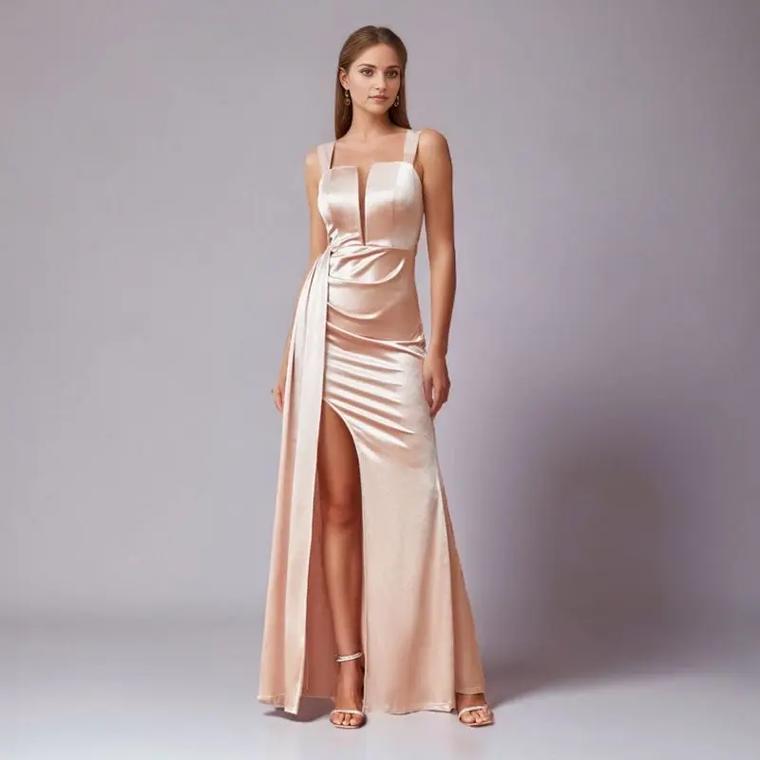
3. Shifting from Mass-Volumes to Low-Volume Exclusivity
One of the most eco-conscious decisions a luxury brand can make is to reject the fast-fashion cycle of overproduction. Manufacturing excessive inventory that ultimately ends up heavily discounted or incinerated destroys brand equity and the environment simultaneously.
An elite clothing manufacturer supports sustainability by offering low-volume agility:
The Capital-Efficiency Rule: By partnering with a factory that accommodates lower Minimum Order Quantities (MOQs)—such as 30 to 50 units per style—luxury brands can launch hyper-exclusive capsule collections. This allows you to test the market, fulfill genuine consumer demand, and virtually eliminate deadstock inventory.
4. Auditing Ethical Labor and Transparent Operations
True luxury cannot exist if the human hands crafting the garments are exploited. Because luxury apparel requires intensive manual labor—including hand-rolled hems, delicate embroidery, and precision tailoring—your production facility must maintain the highest standards of social compliance.
Ensure your manufacturing partner holds trusted international certifications to verify their ethical standing:
| Industry Certification | What It Verifies for Your Luxury Brand | Target Compliance Area |
| GOTS (Global Organic Textile Standard) | Verifies the organic status of textiles from harvesting through environmentally and socially responsible manufacturing. | Raw material and processing integrity |
| OEKO-TEX Standard 100 | Guarantees that every component of the garment (fabrics, threads, buttons, linings) is 100% free from harmful chemicals. | Consumer safety and non-toxic production |
| WRAP or BSCI Audited | Confirms compliance with global ethical labor standards, including fair wages, humane working hours, and safe factory environments. | Human rights and supply chain ethics |
Conclusion: Crafting the Future of High-End Fashion
Sustainable luxury is not a passing trend; it is the future of the global fashion industry. By pairing your creative vision with a luxury clothing manufacturer that honors artisanal heritage, source certified eco-friendly materials, and implements zero-waste production strategies, you can deliver a collection that commands premium retail margins while respecting the planet.
Are you ready to redefine high-end fashion with a sustainable, ethically managed collection? Our premium garment facility specializes in sustainable luxury apparel manufacturing, combining heritage tailoring craftsmanship with fully certified eco-conscious fabric sourcing and white-glove quality assurance. Contact our artisan production team today to begin developing your custom sustainable collection.
