The hoodie has successfully transitioned from a basic athletic warm-up garment to the ultimate anchor of modern streetwear and luxury loungewear. From oversized, boxy drops worn on urban streets to minimalist, heavy-weight versions styled under tailored blazers, the demand for premium hoodies remains exceptionally high year-round. For an apparel brand, a signature hoodie is often your highest-margin and most recognizable product.
However, executing a retail-ready hoodie that stands out in a crowded marketplace is highly technical. It requires a deep understanding of fabric weights, structural draping, and specialized sewing lines. To achieve this, you must partner with an expert hoodie manufacturer capable of transforming your design sketches into premium, durable merchandise.
If you are currently evaluating production facilities, here are the essential technical and structural elements to look for in a manufacturing partner.
1. Fabric Selection: Navigating Heavy-Weight Fleece and French Terry
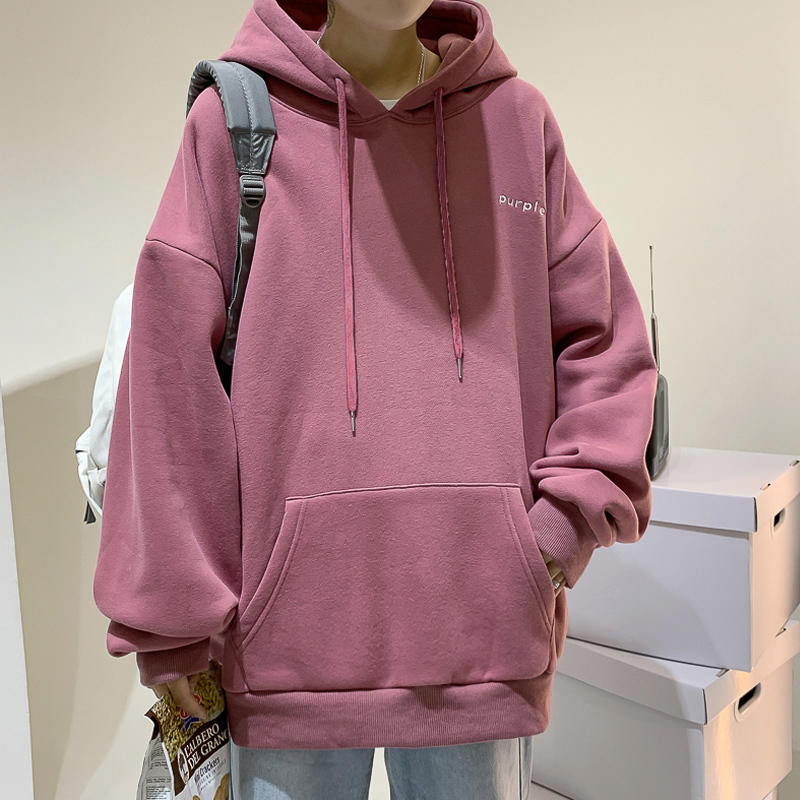
The perceived value of a hoodie is heavily dictated by the hand-feel, density, and drape of its fabric. Flimsy, lightweight fabrics make a hoodie look like cheap promotional merchandise. Premium fashion brands require substance.
When vetting a potential custom hoodie manufacturer, audit their fabric sourcing capabilities across these primary categories:
- Fabric Weight (GSM): Fabric density is measured in Grams per Square Meter. Standard budget hoodies range between 240 to 280 GSM. High-quality retail brands typically start at 360 GSM. If you want to achieve a structured, stiff, and sculptural streetwear silhouette that holds its shape independently of the wearer’s body, look for a factory specializing in ultra-heavyweight fleece ranging from 400 to 500+ GSM.
- French Terry vs. Brushed Fleece: Ensure the factory can source both fabric finishes. French terry features soft loops of yarn on the interior face, making it breathable and ideal for year-round, transitional capsule collections. Brushed fleece undergoes a mechanical brushing process to create a plush, fuzzy interior that maximizes heat retention for winter collections.
- Fiber Purity: To minimize pilling and optimize surface smoothness for subsequent printing or embroidery, prioritize long-staple combed cotton or premium cotton-polyester blends (such as an 80/20 mix), where the polyester is embedded internally for structural recovery and low shrinkage.
2. Advanced Hood Engineering and Neckline Construction
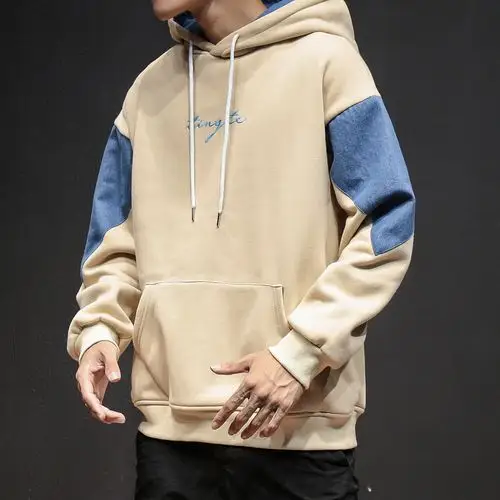
The defining feature of a hoodie is, naturally, the hood itself. This is often where low-cost manufacturing shortcuts become obvious. A poorly constructed hood will sag flat against the back or collapse awkwardly around the neck.
A professional clothing manufacturer should demonstrate mastery over these architectural details:
- Double-Lined (Self-Fabric) Hoods: Cheap hoodies use a thin, single layer of fabric or a cheap jersey lining inside the hood. Premium execution requires a double-layer construction using the heavy main body fabric on both the exterior and interior of the hood, giving it structural volume and a clean aesthetic weight.
- Crossover and Ergonomic Necklines: The intersection where the hood meets the collar should feature a calculated crossover design or an ergonomic gusset. This allows the hood to frame the face beautifully when down and provide comfortable coverage when pulled up.
- Center Seam vs. Three-Panel Construction: Standard hoods use a simple two-piece design with a center seam. For a more rounded, modern streetwear look that conforms comfortably to the human head, ask if the factory can draft a three-panel hood pattern.
3. Demanding Technical Sewing and Structural Enforcement
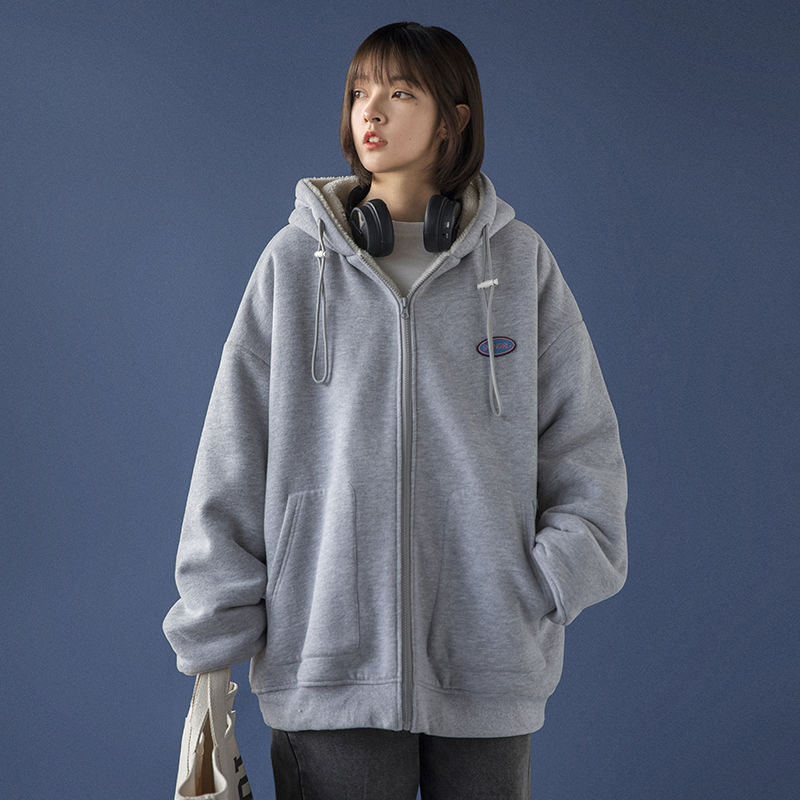
Because hoodies are frequently pulled on, stretched, and washed, their seam lines must be incredibly robust. Examine the factory’s sample garments for these critical construction markers:
The Ribbing Standard: The waistband and sleeve cuffs must retain their elasticity over time. Ensure your factory uses a heavy-weight rib-knit trim infused with spandex/elastane (such as a 2×2 rib) so the openings snap back to their original shape sharply after stretching.
- Flatlock and Three-Needle Stitching: Look for heavy-duty three-needle, five-thread cover-stitching along the shoulder joints, armholes, and waistband seams. This provides an elevated, industrial aesthetic while reinforcing high-stress areas against tearing.
- Kangaroo Pocket Reinforcement: The classic front kangaroo pocket is highly prone to corner tearing. A professional factory will automatically place dense bar-tack reinforcement stitches at the upper and lower entry corners of the pocket to handle daily physical stress.
4. Identifying Factory Customization and Finishing Capabilities
If your brand identity relies on bold graphics, vintage textures, or minimal branding accents, ensure your apparel factory offers advanced post-production decoration treatments.
Verify their technical setup for these high-value finishes:
- 3D Puff Printing & High-Density Silicone: To give your typography or logos a premium, raised physical texture.
- Specialized Wash Processes: Such as enzyme washes to remove surface fuzz for an ultra-smooth finish, or garment-dyeing and acid washes to create a highly sought-after, vintage streetwear look.
- Premium Hardware: The capability to press heavy-duty, anti-tarnish metal grommets and secure custom-branded metal aglets (tips) onto the drawstrings.
Conclusion: Build a Strong Foundation with the Right Factory
The global appetite for premium hoodies shows no signs of slowing down, but capturing market share requires prioritizing garment architecture over shortcuts. By selecting a specialized hoodie manufacturer that handles heavyweight fabrics with ease, executes complex multi-panel patterns, and enforces rigorous quality control, you ensure your clothing brand delivers a product that commands high retail margins and wins long-term customer loyalty.
Are you ready to design the ultimate hoodie for your audience? Our manufacturing facility specializes in world-class hoodie and fleece production, offering premium heavyweight fabric sourcing, custom pattern engineering, advanced streetwear printing, and meticulous quality assurance. Contact our production team today to discuss your designs and receive a custom manufacturing quote.
